Event Details
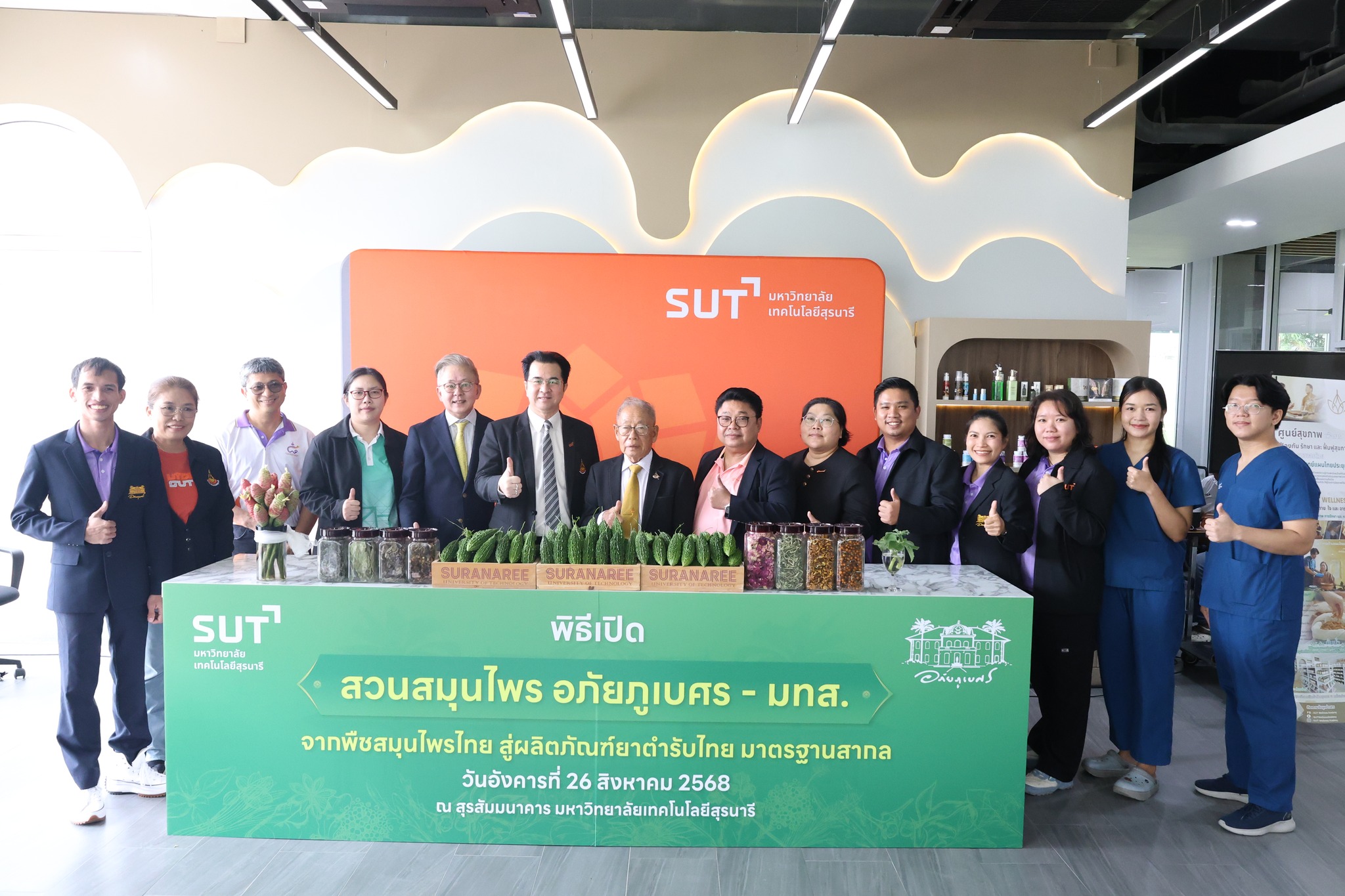
Opening of the "Abhaibhubejhr - Suranaree University of Technology Herbal Garden" A learning center and model for science-based Thai herbal production. Join us in elevating traditional Thai herbal products to international standards.
Opening of the "Abhaibhubejhr - Suranaree University of Technology Herbal Garden" A learning center and model for science-based Thai herbal production. Join us in elevating traditional Thai herbal products to international standards.
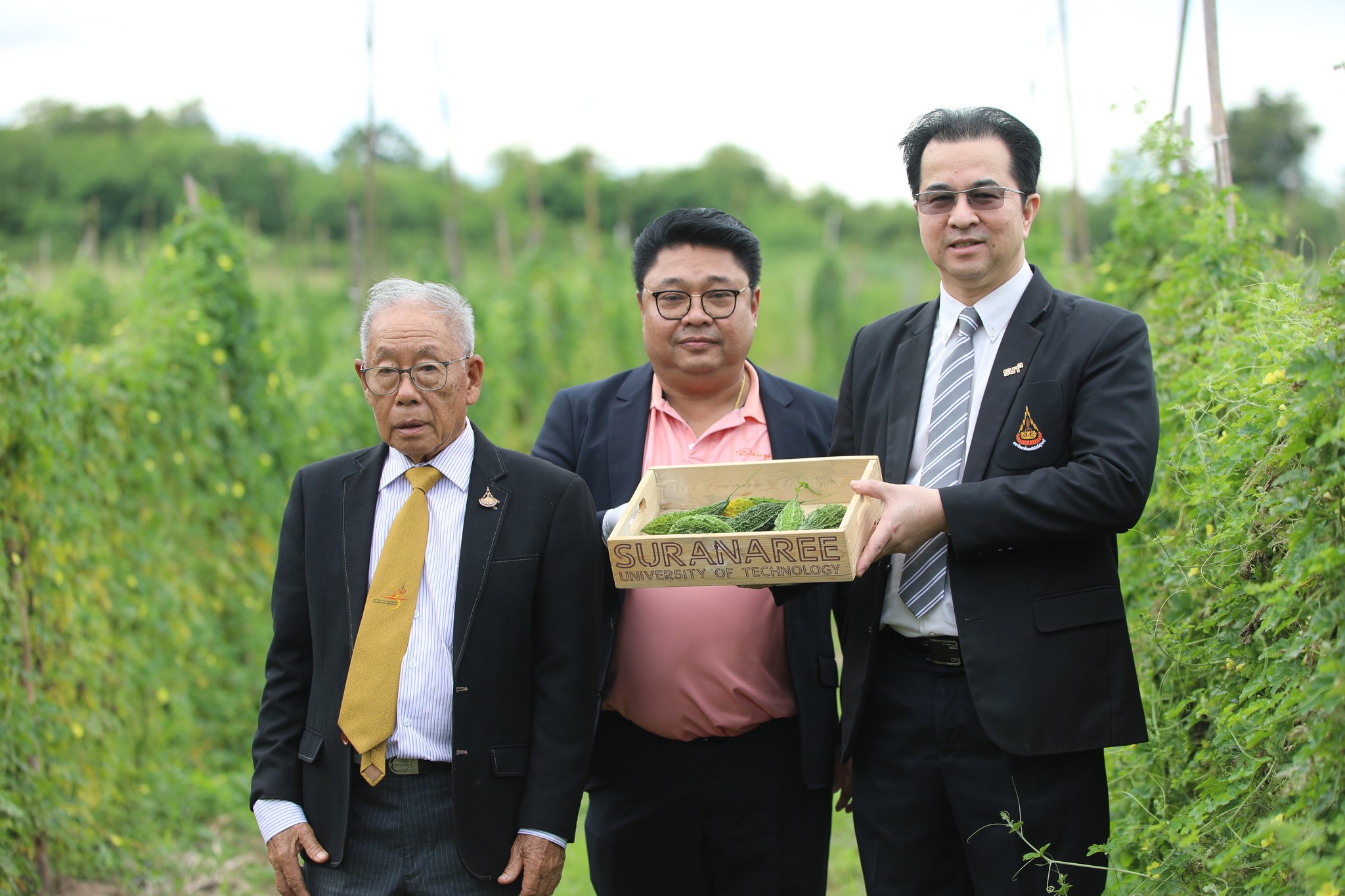
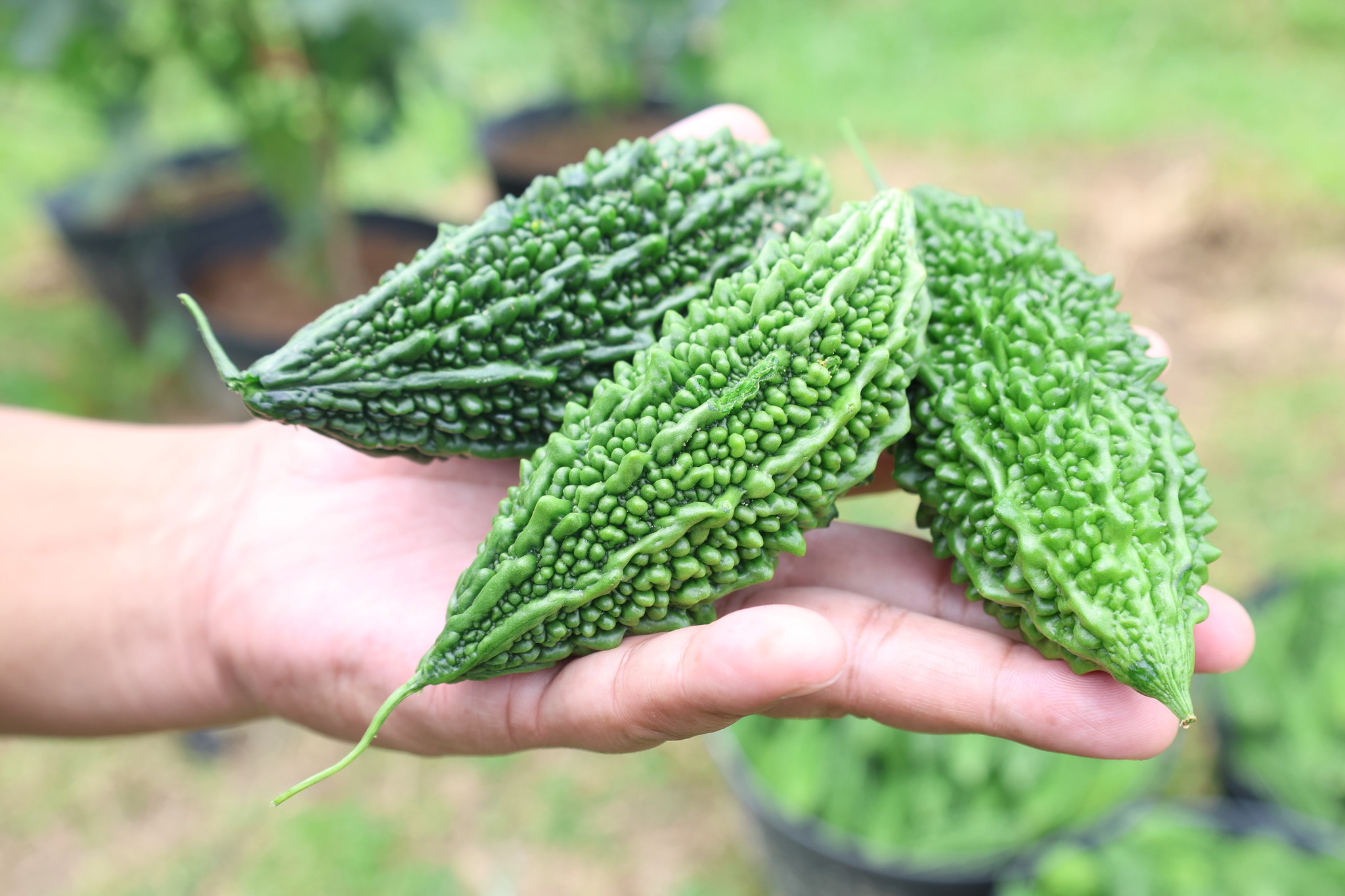
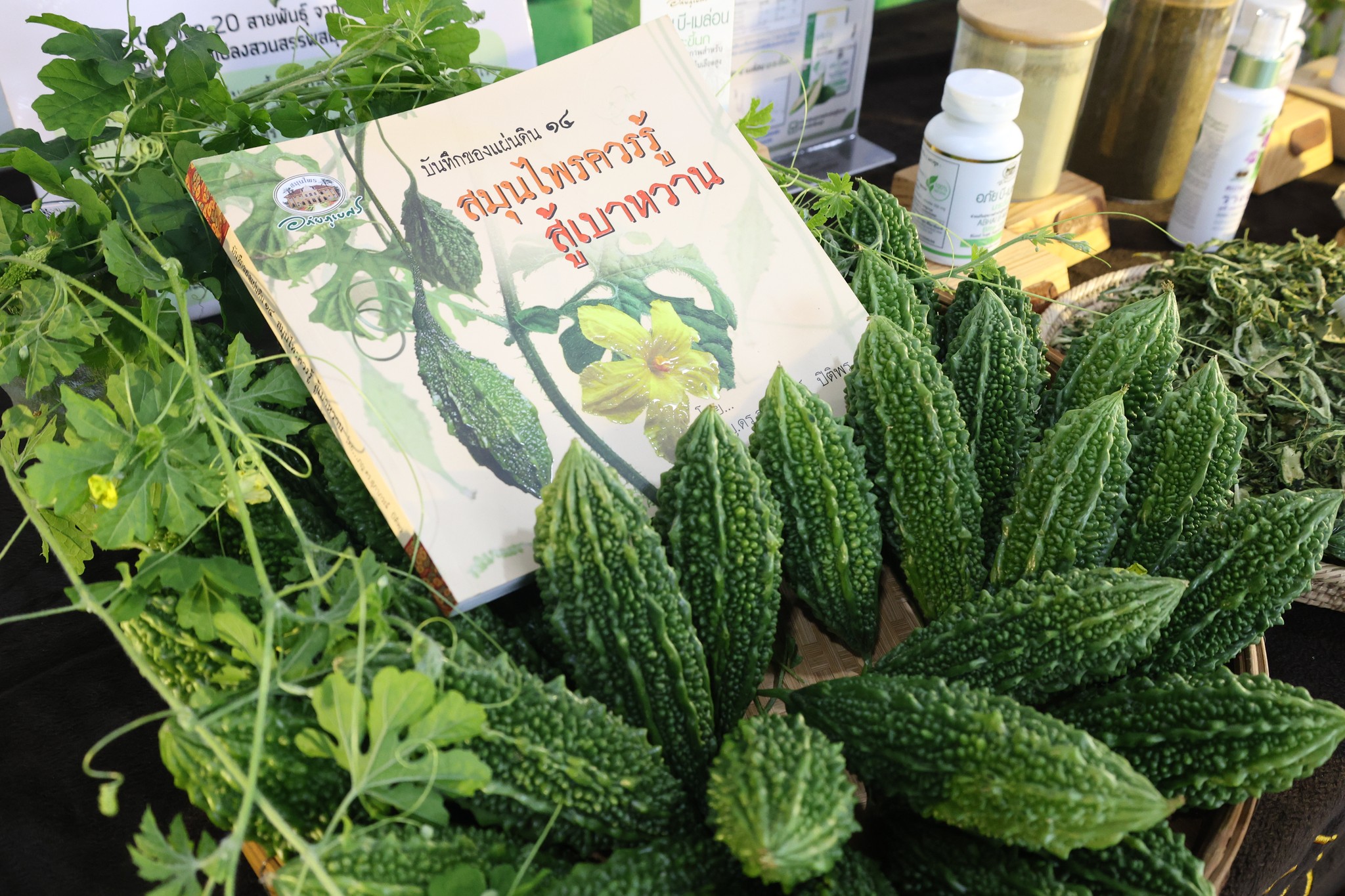
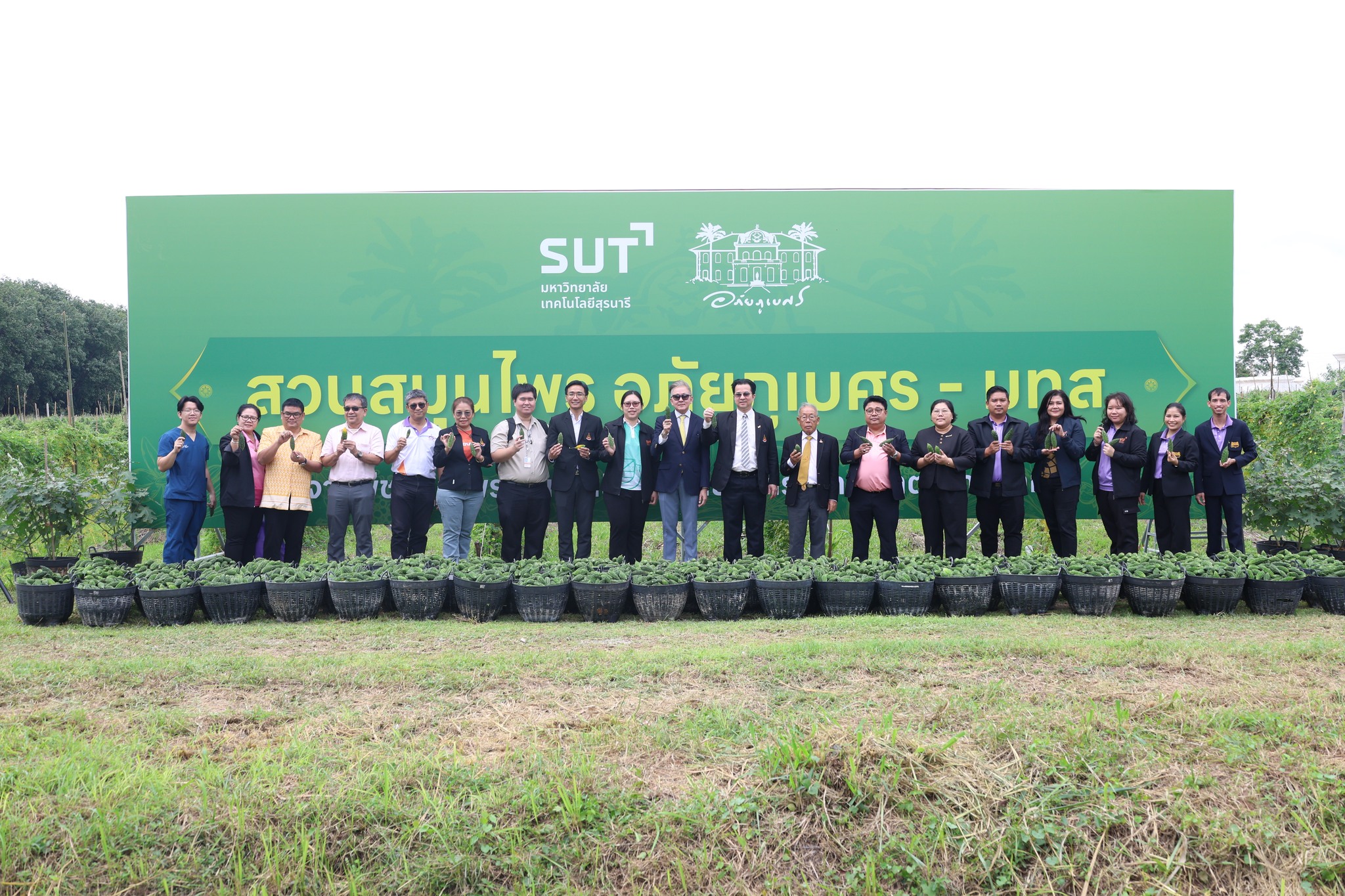
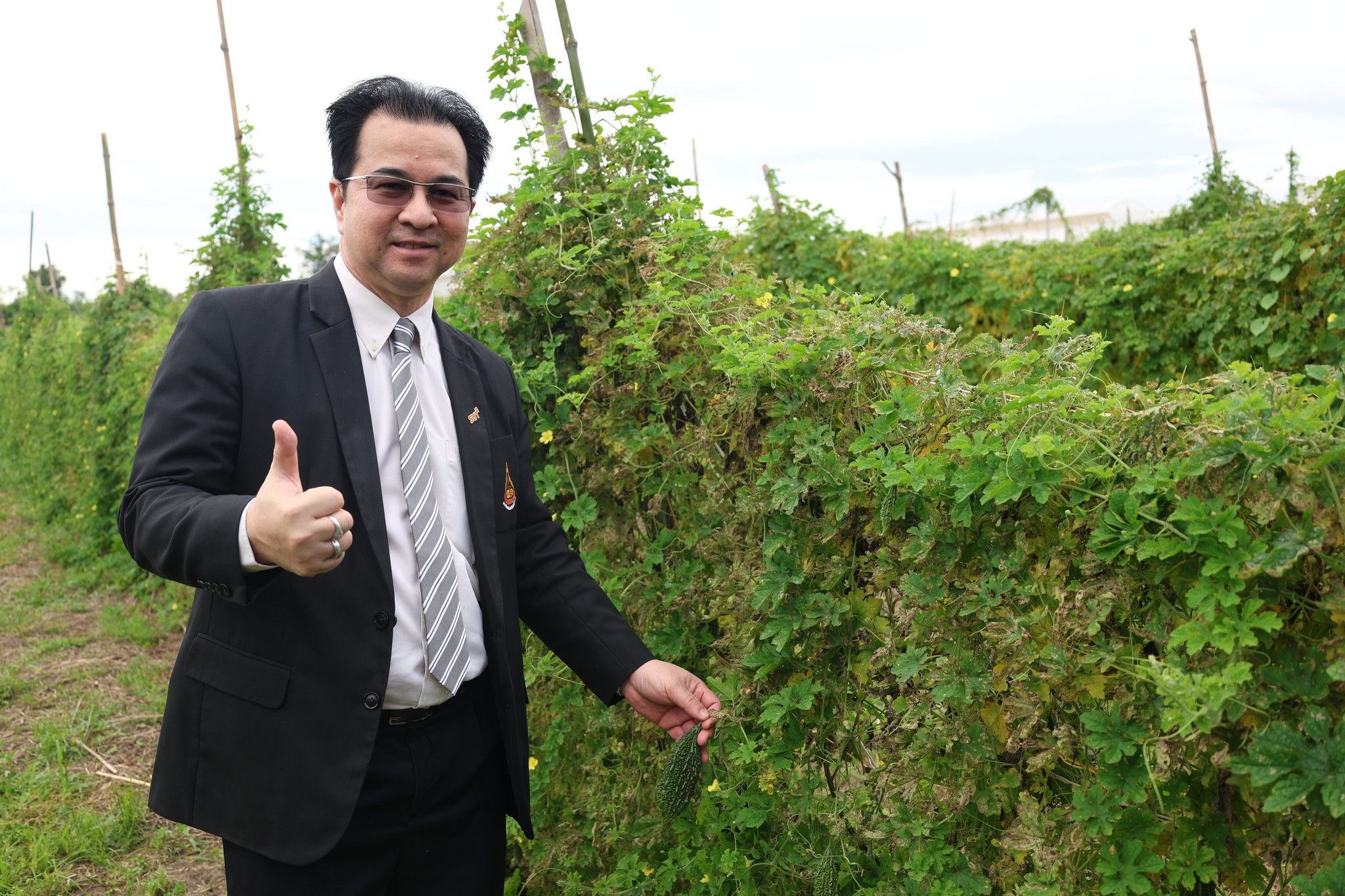
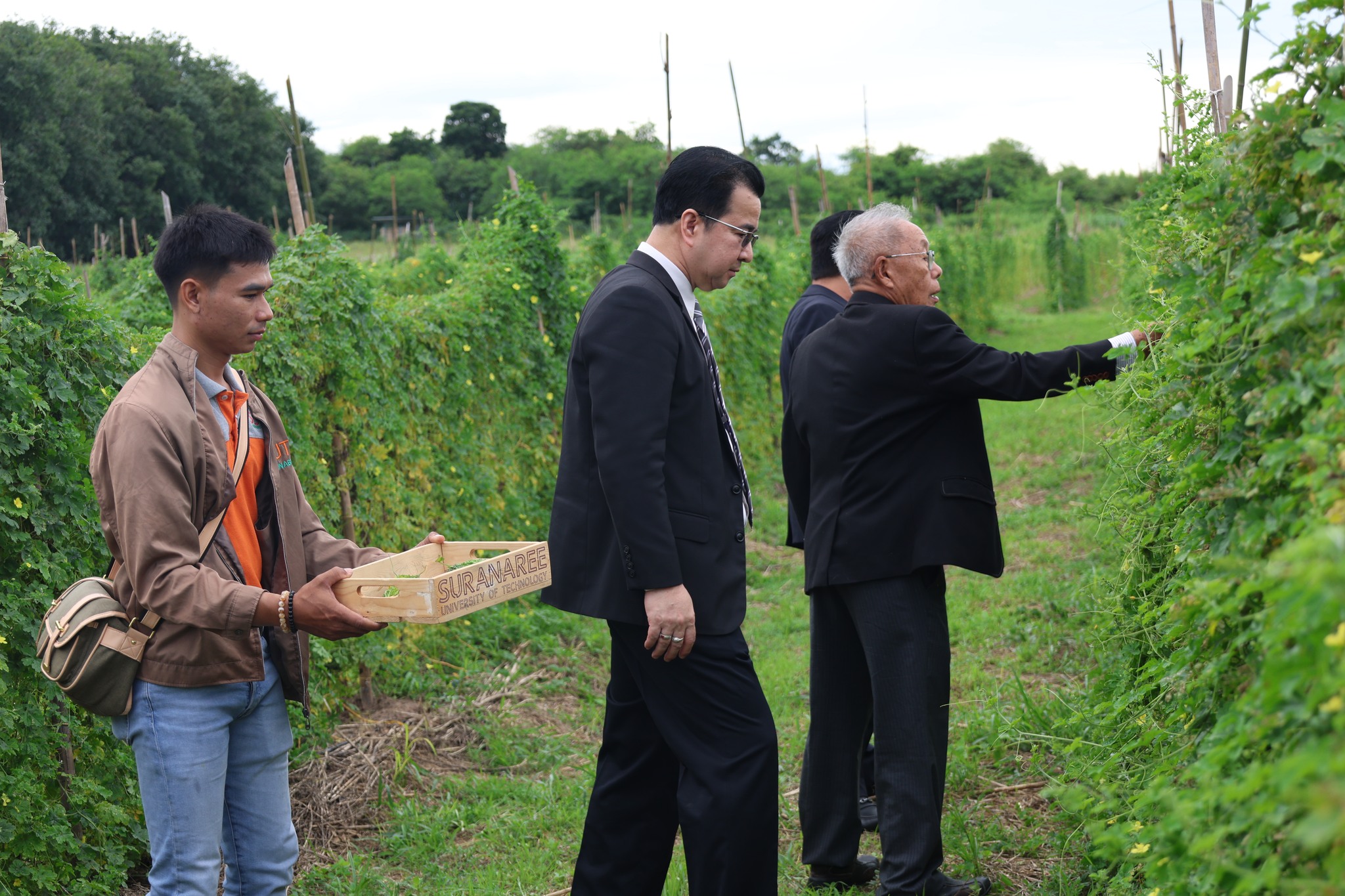
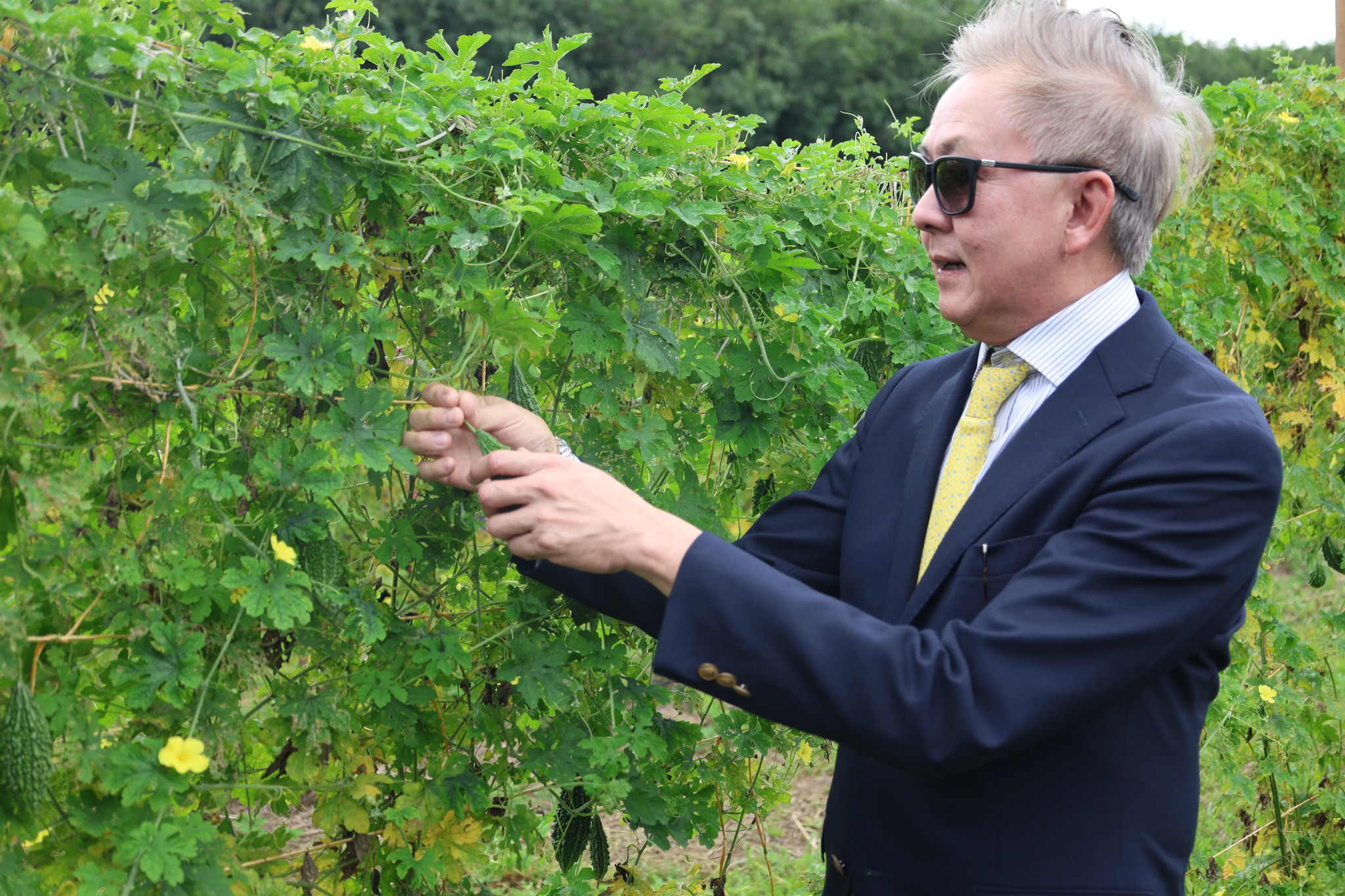
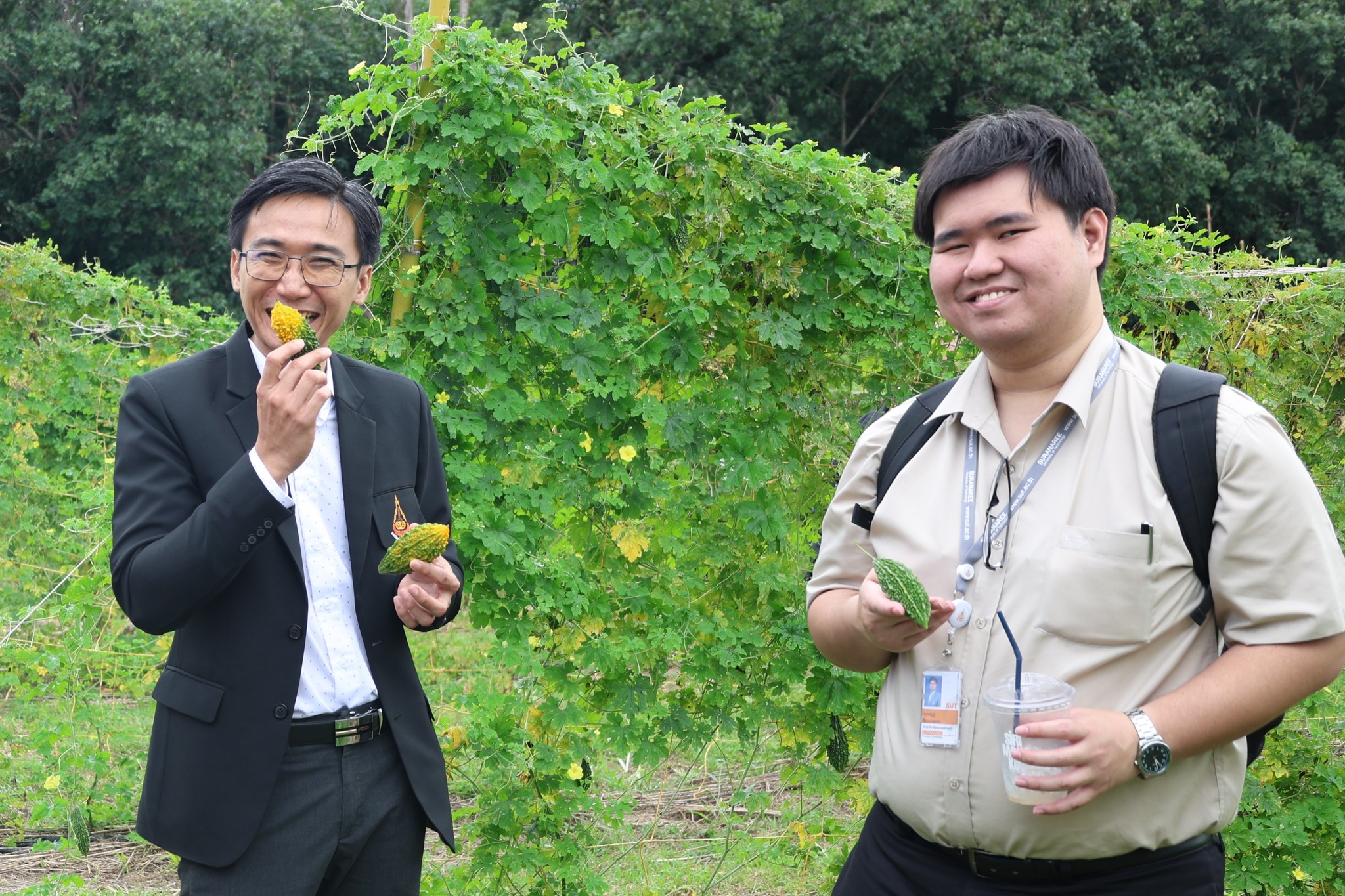
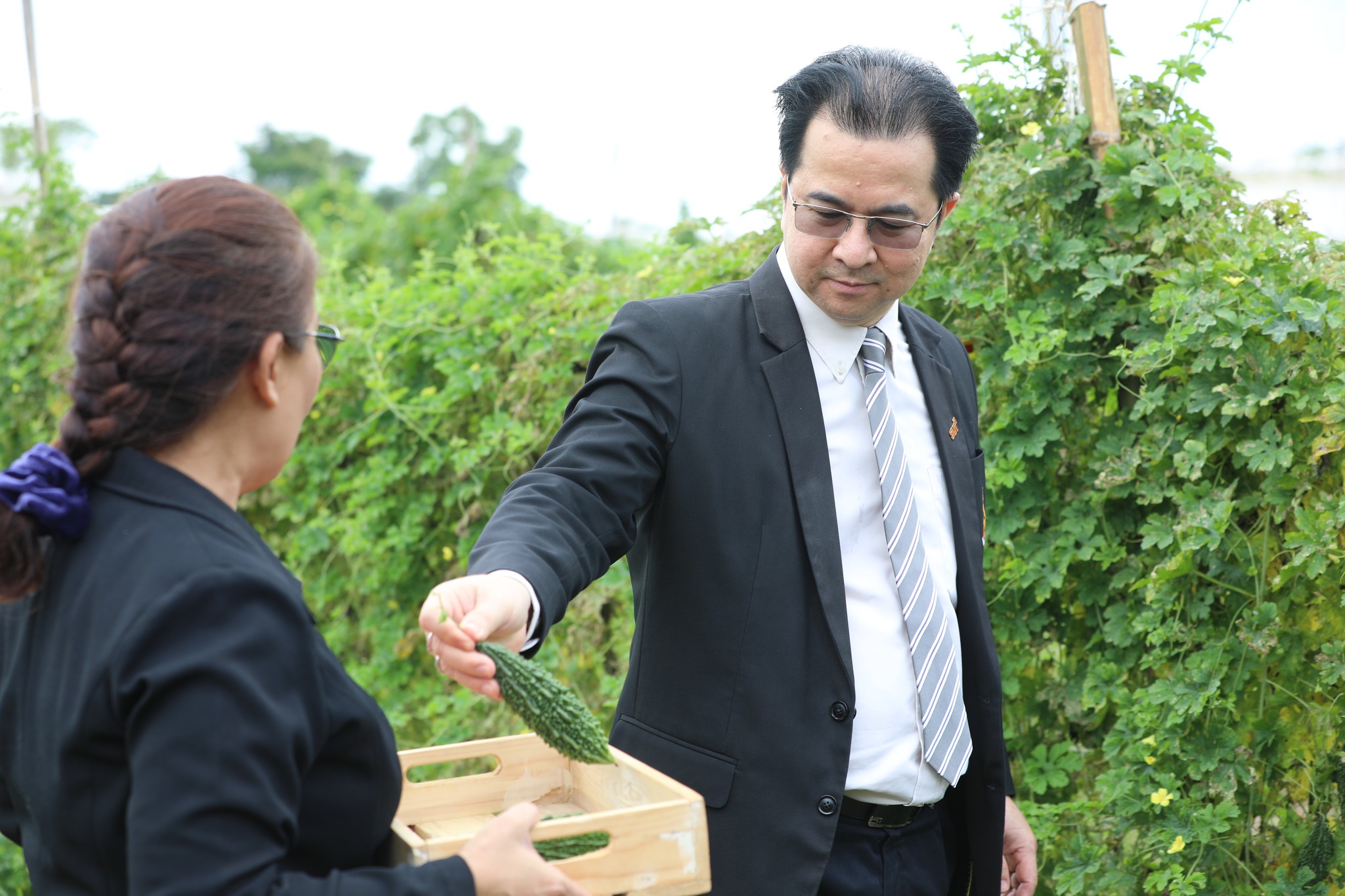
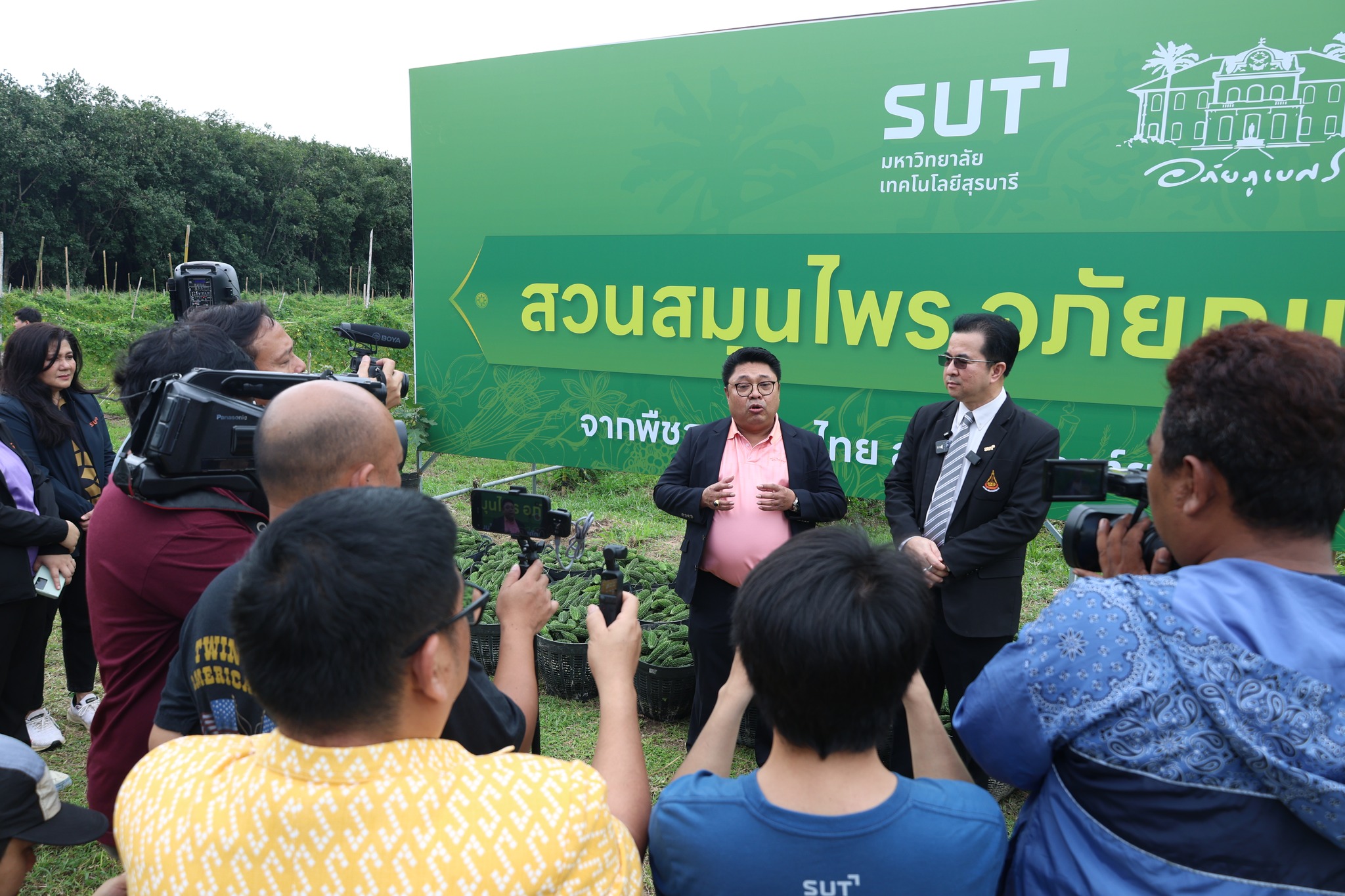
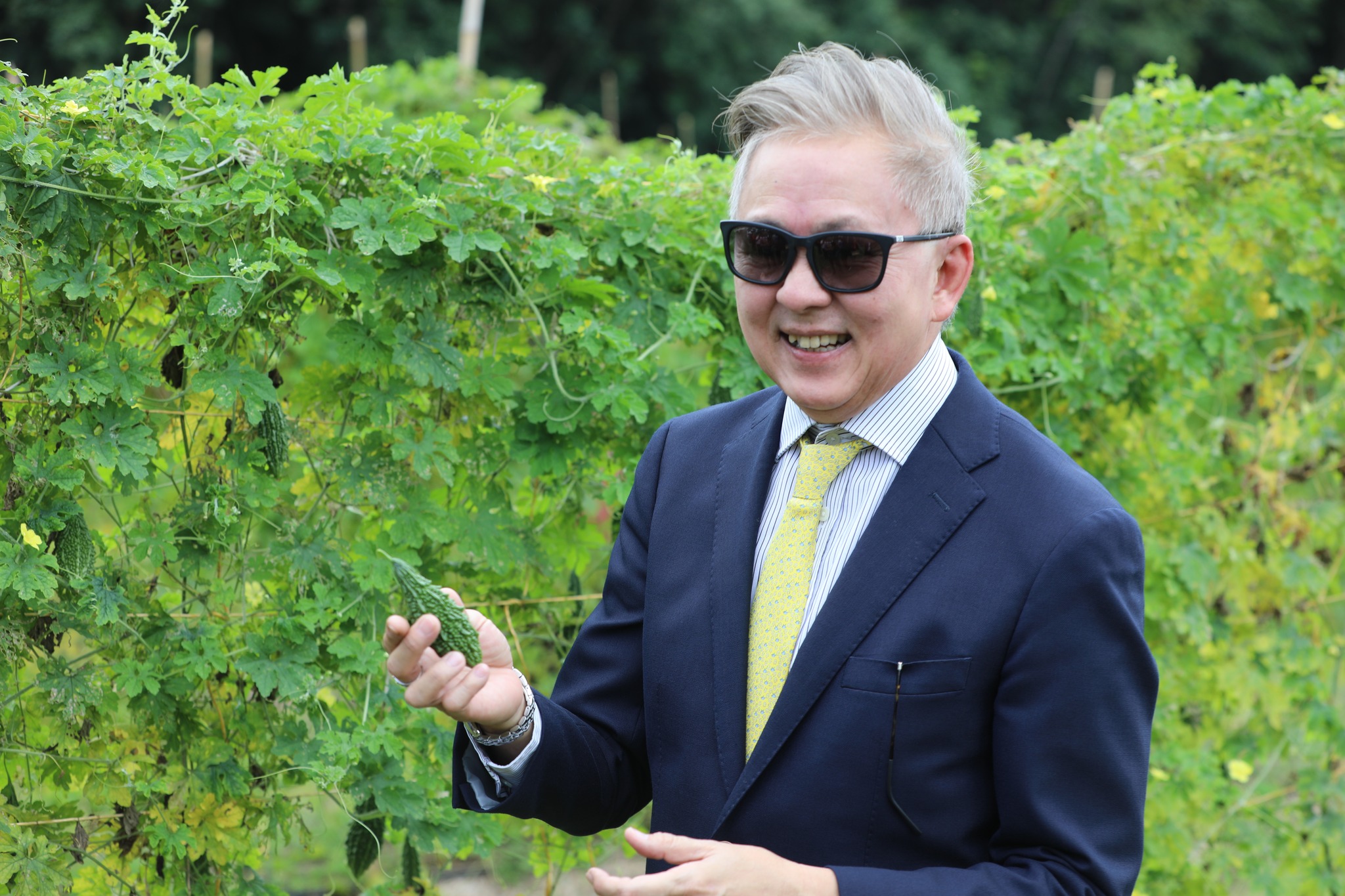
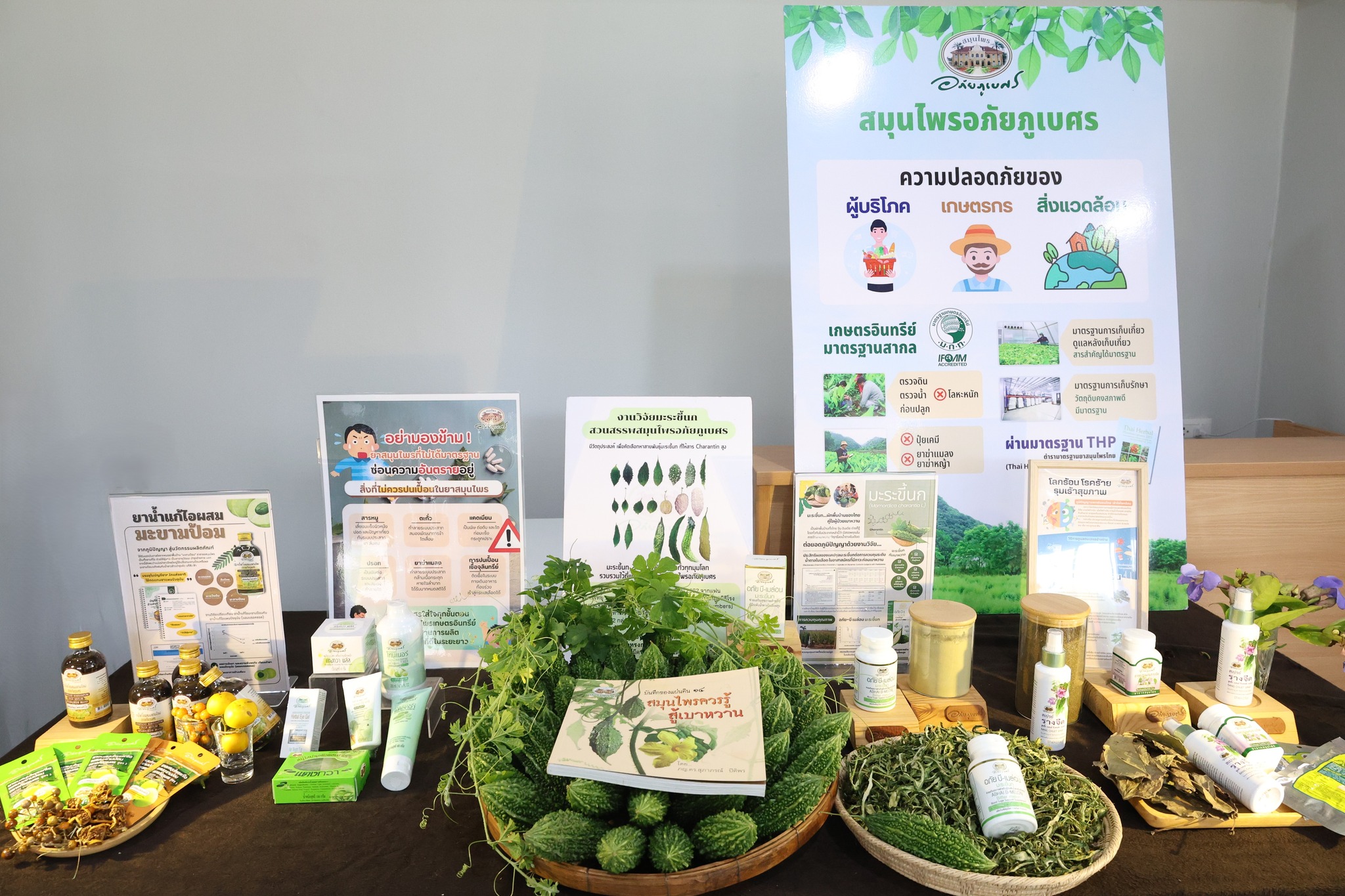
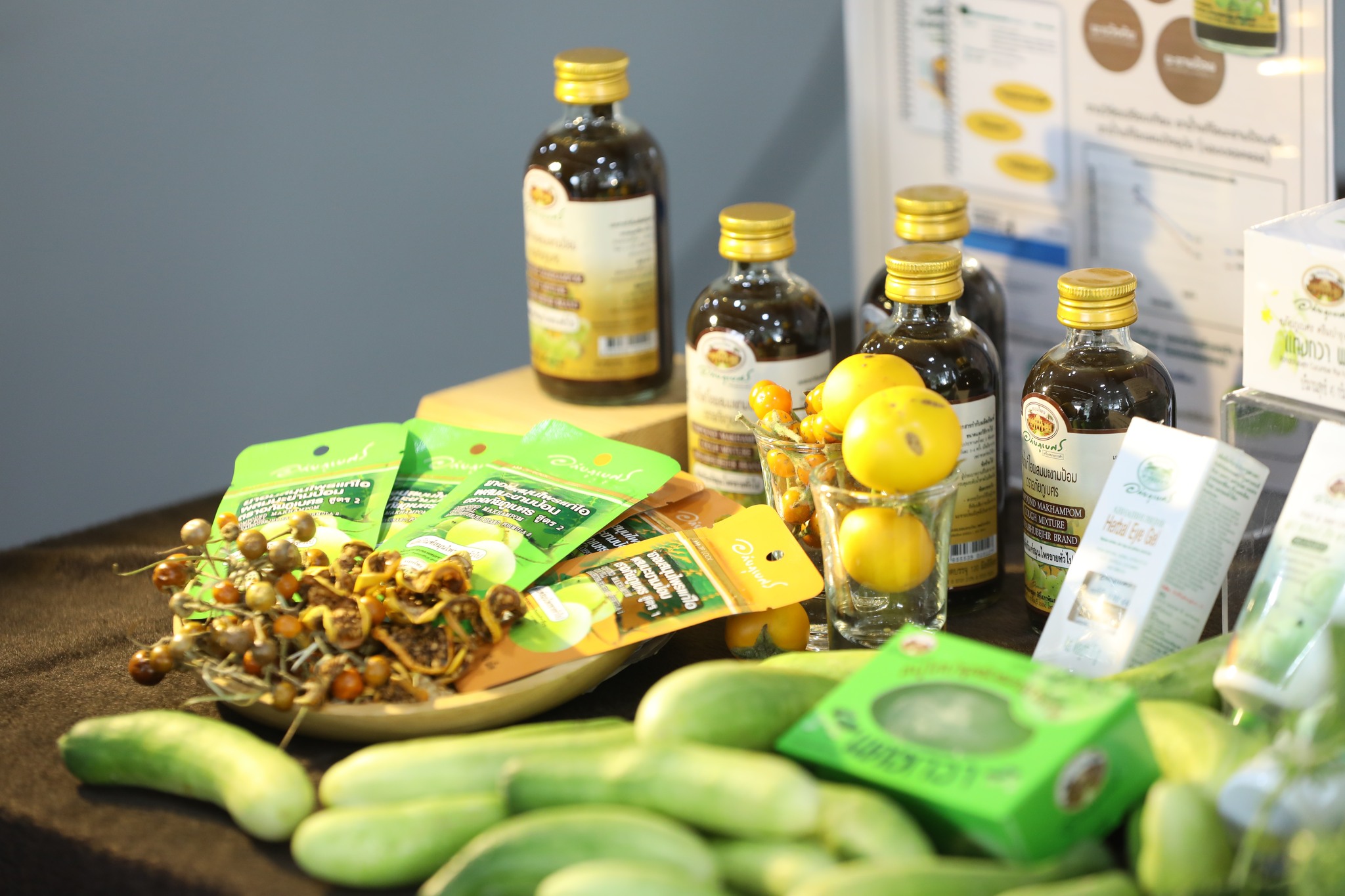
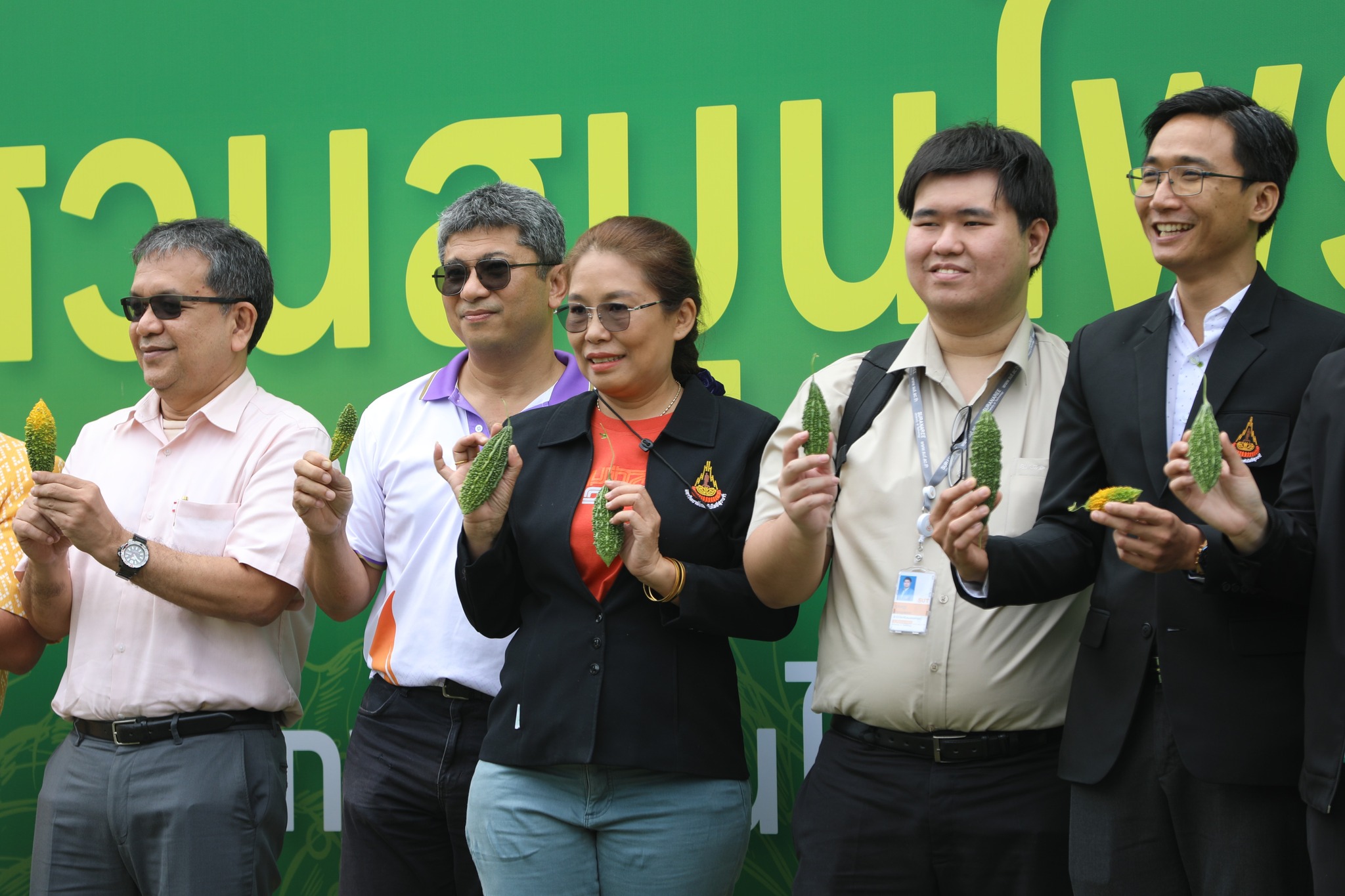
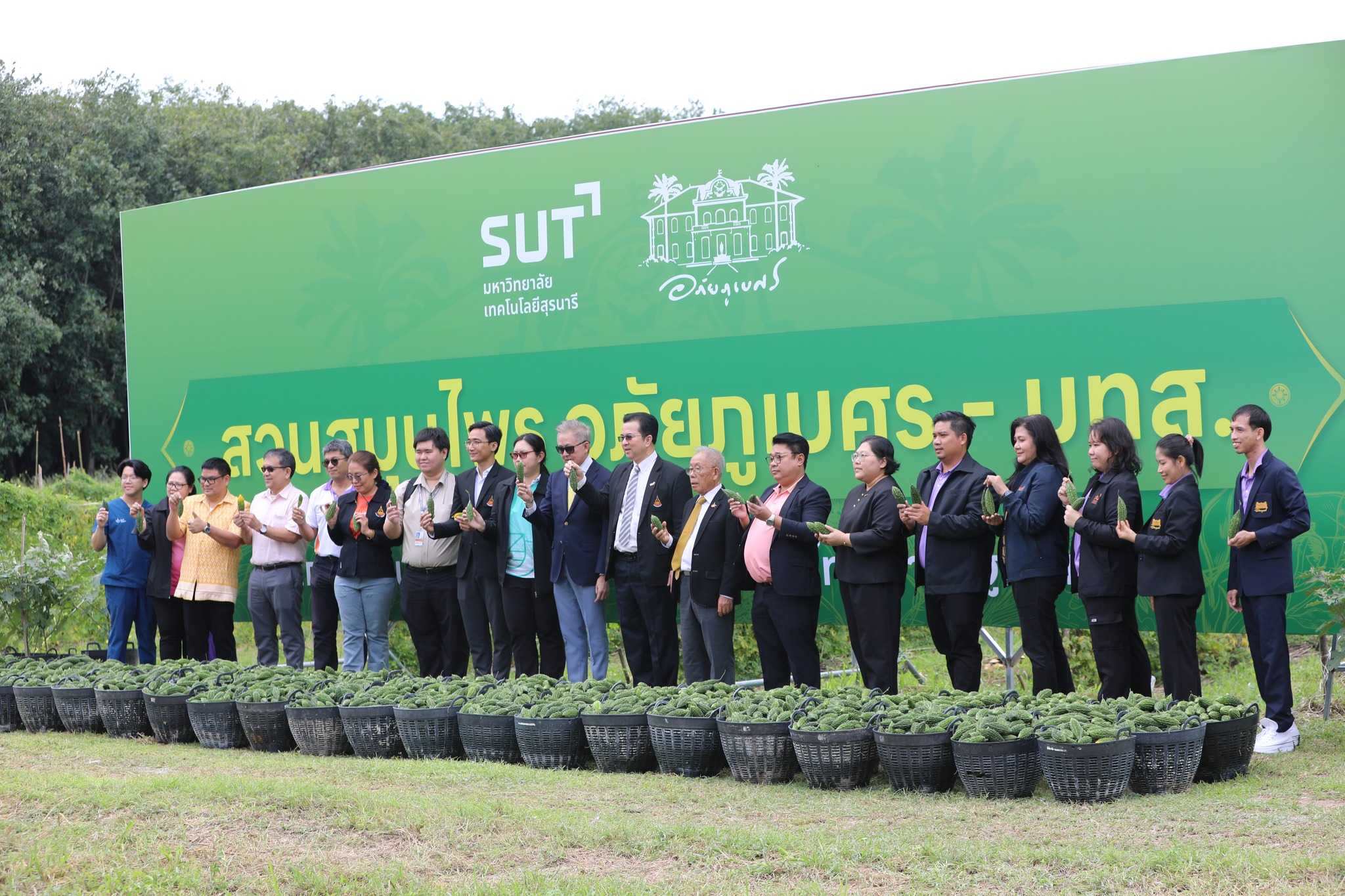
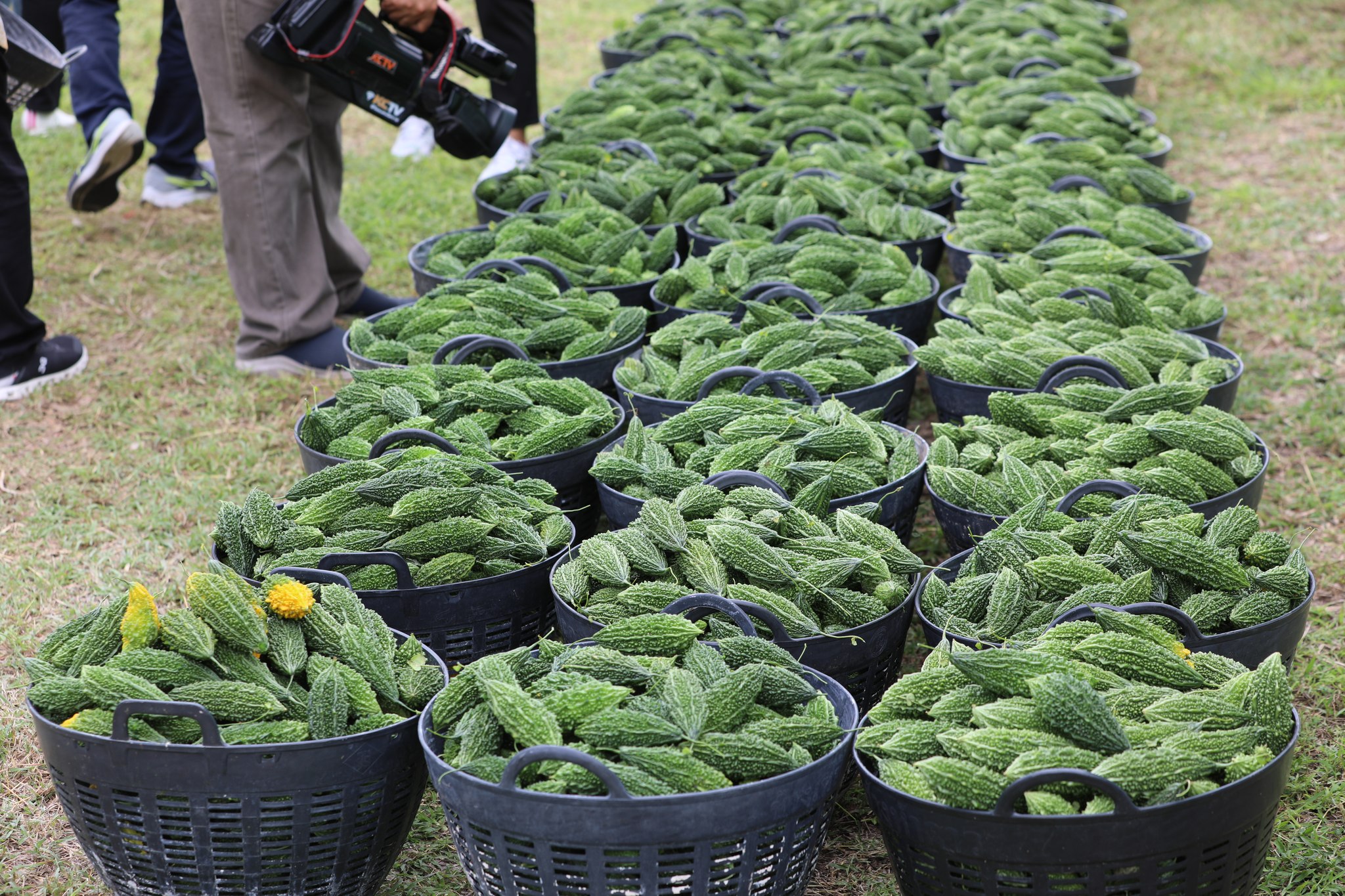
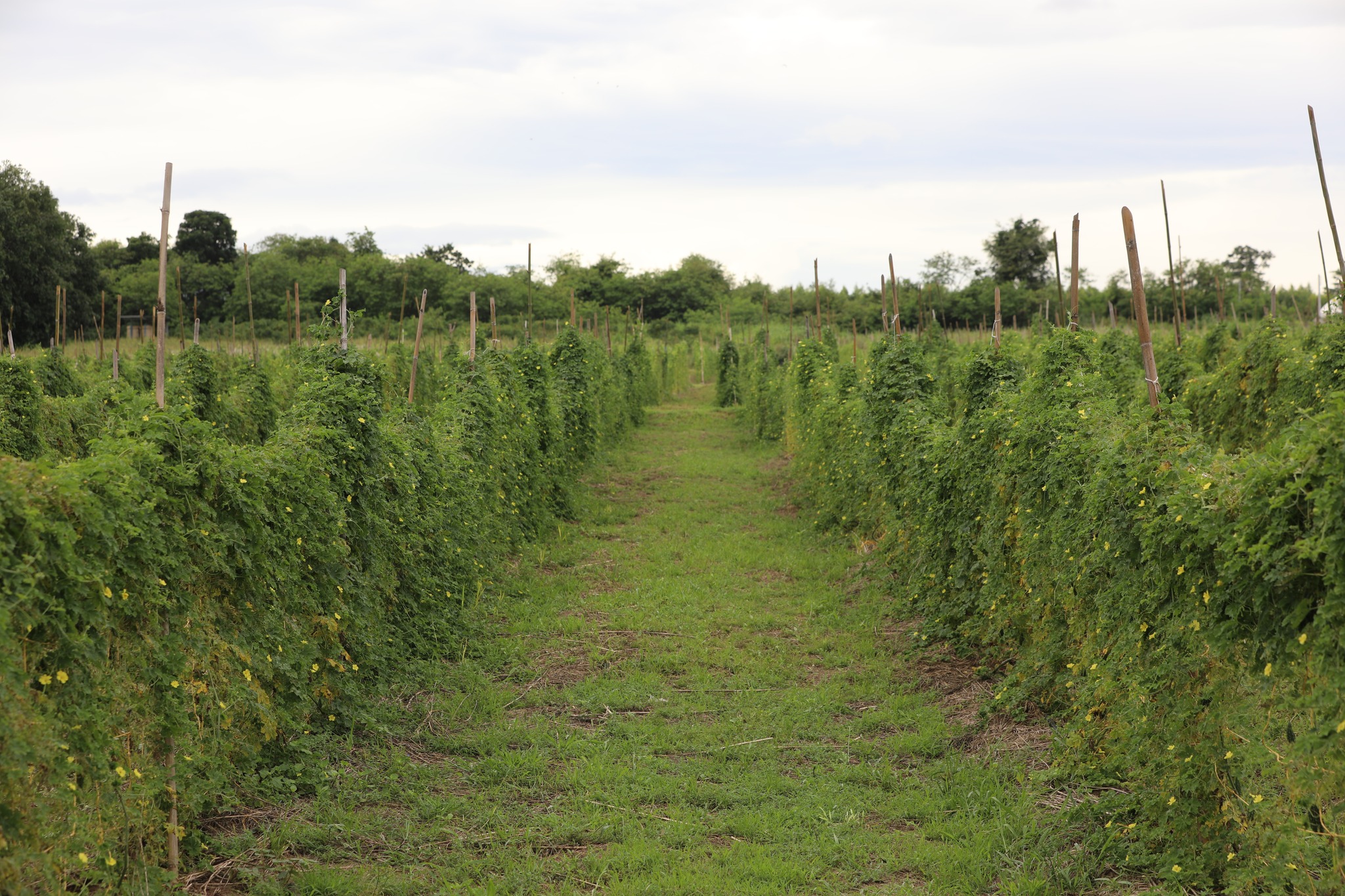
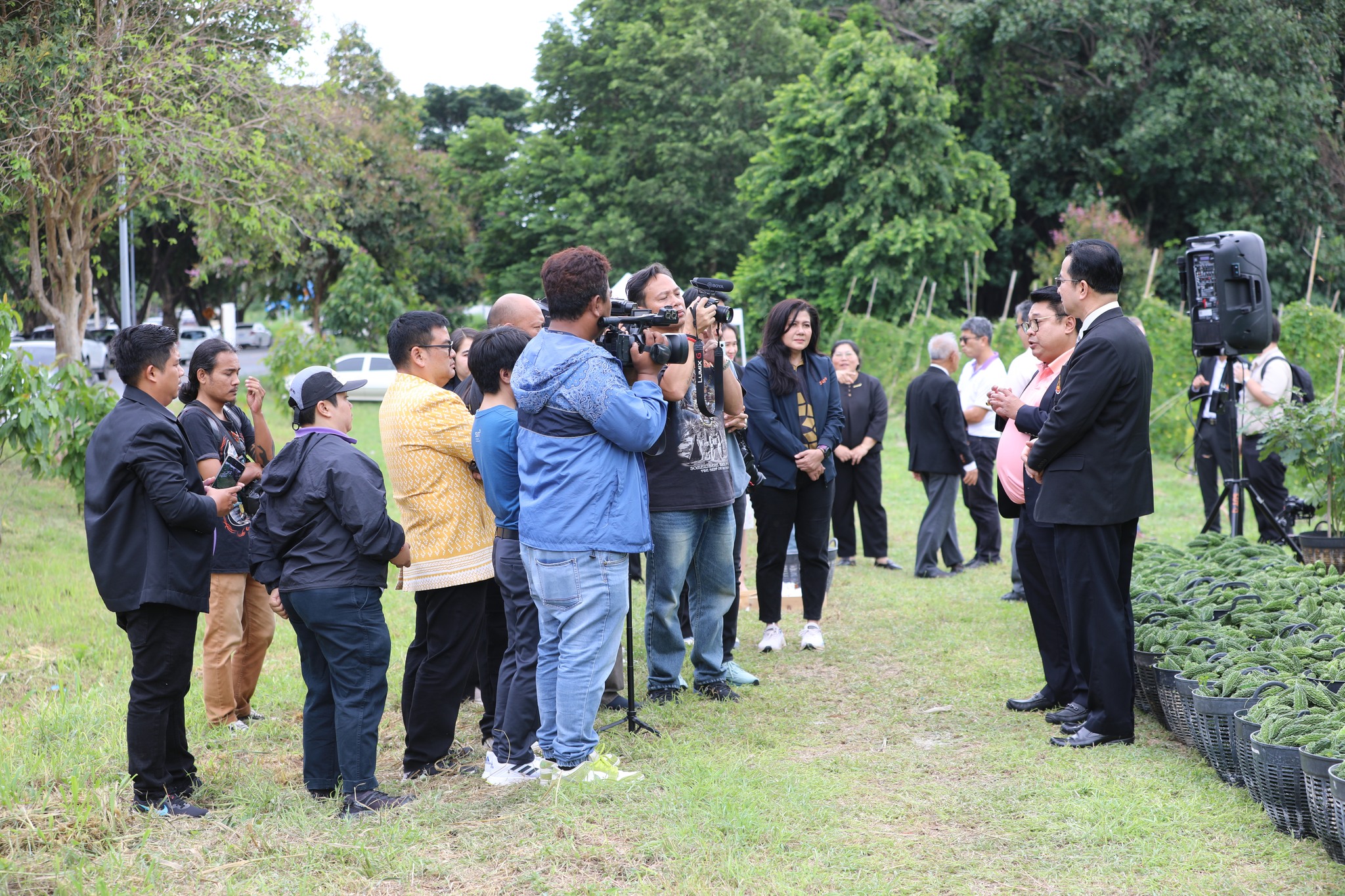
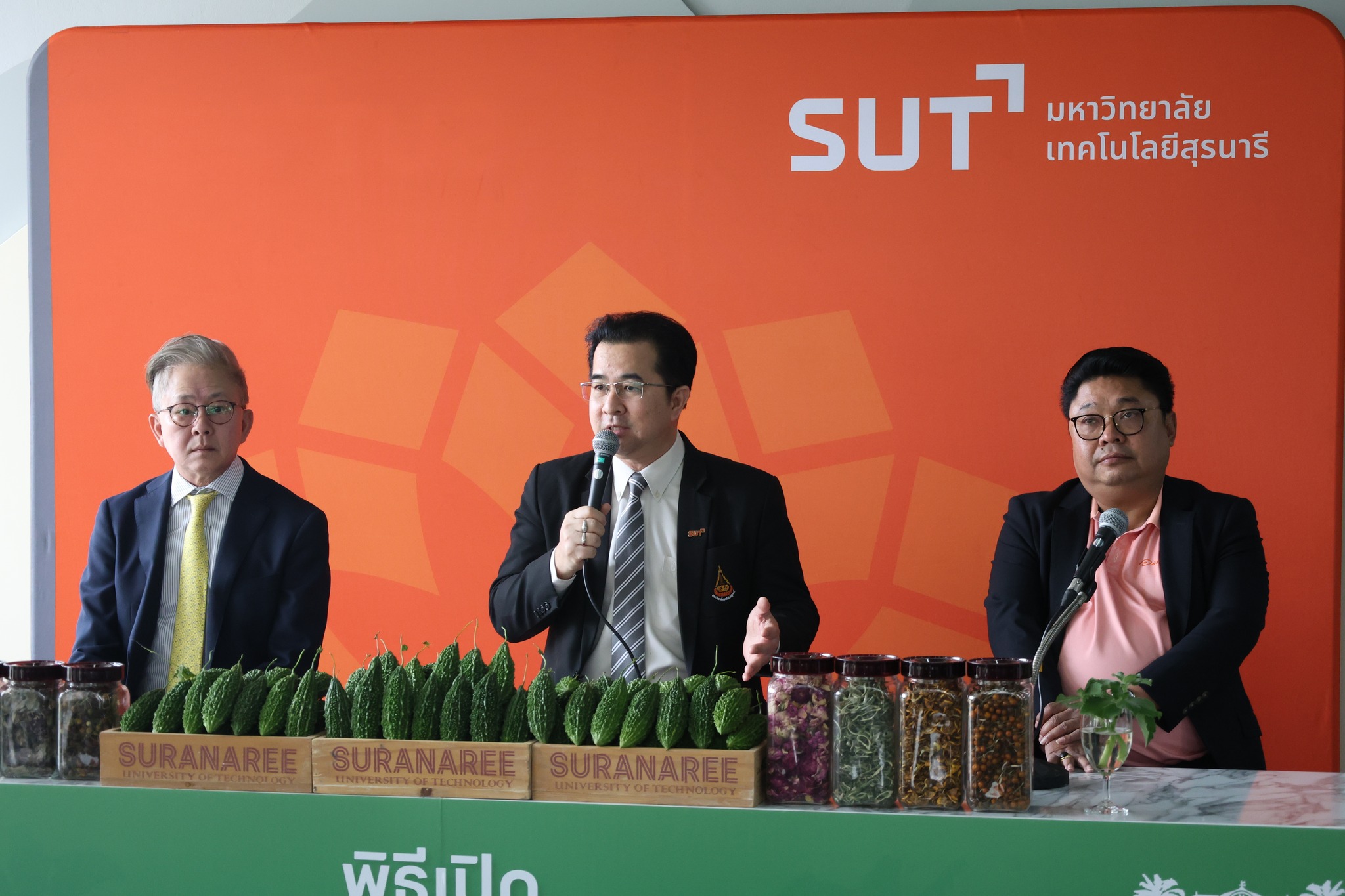
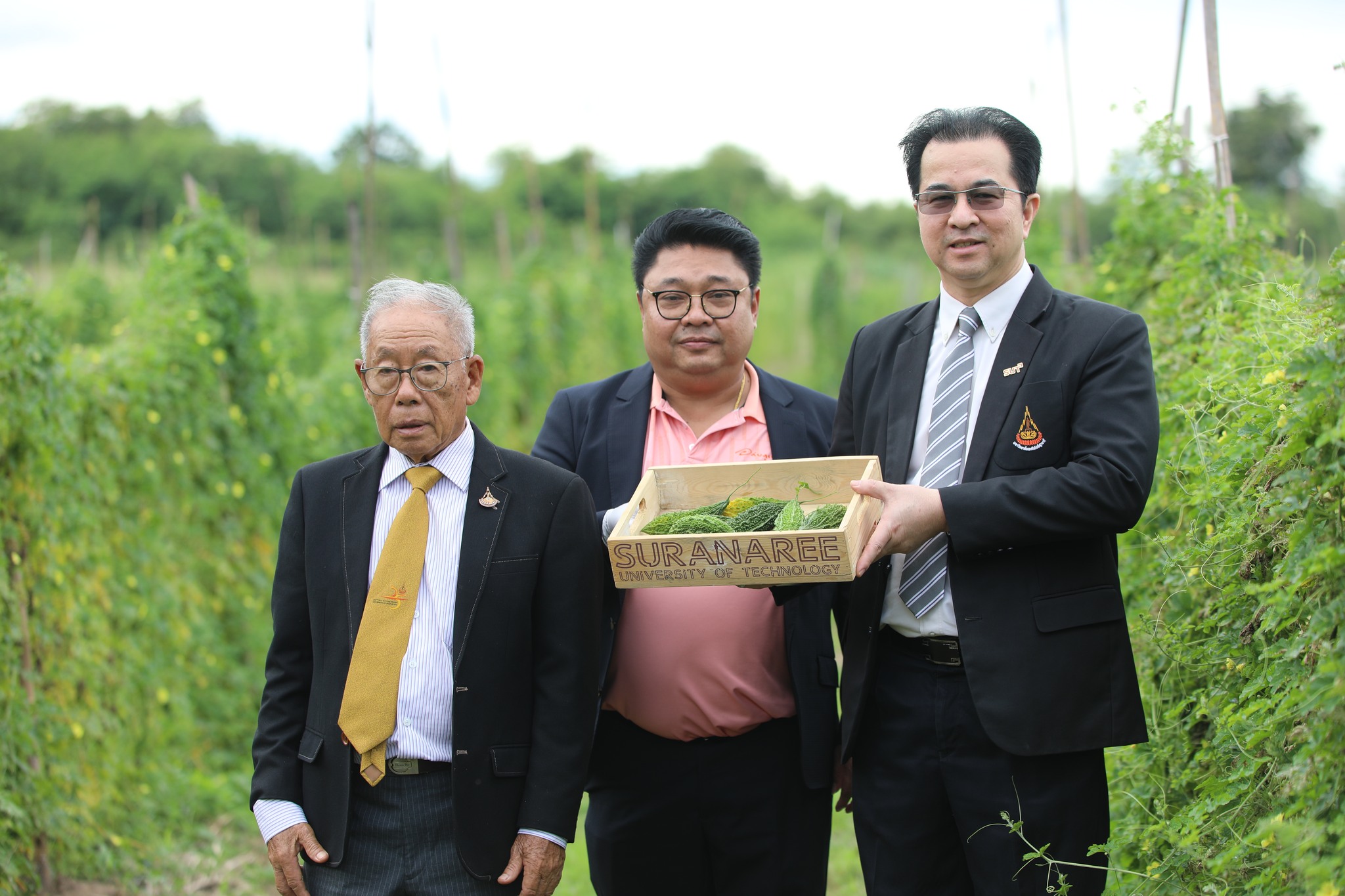
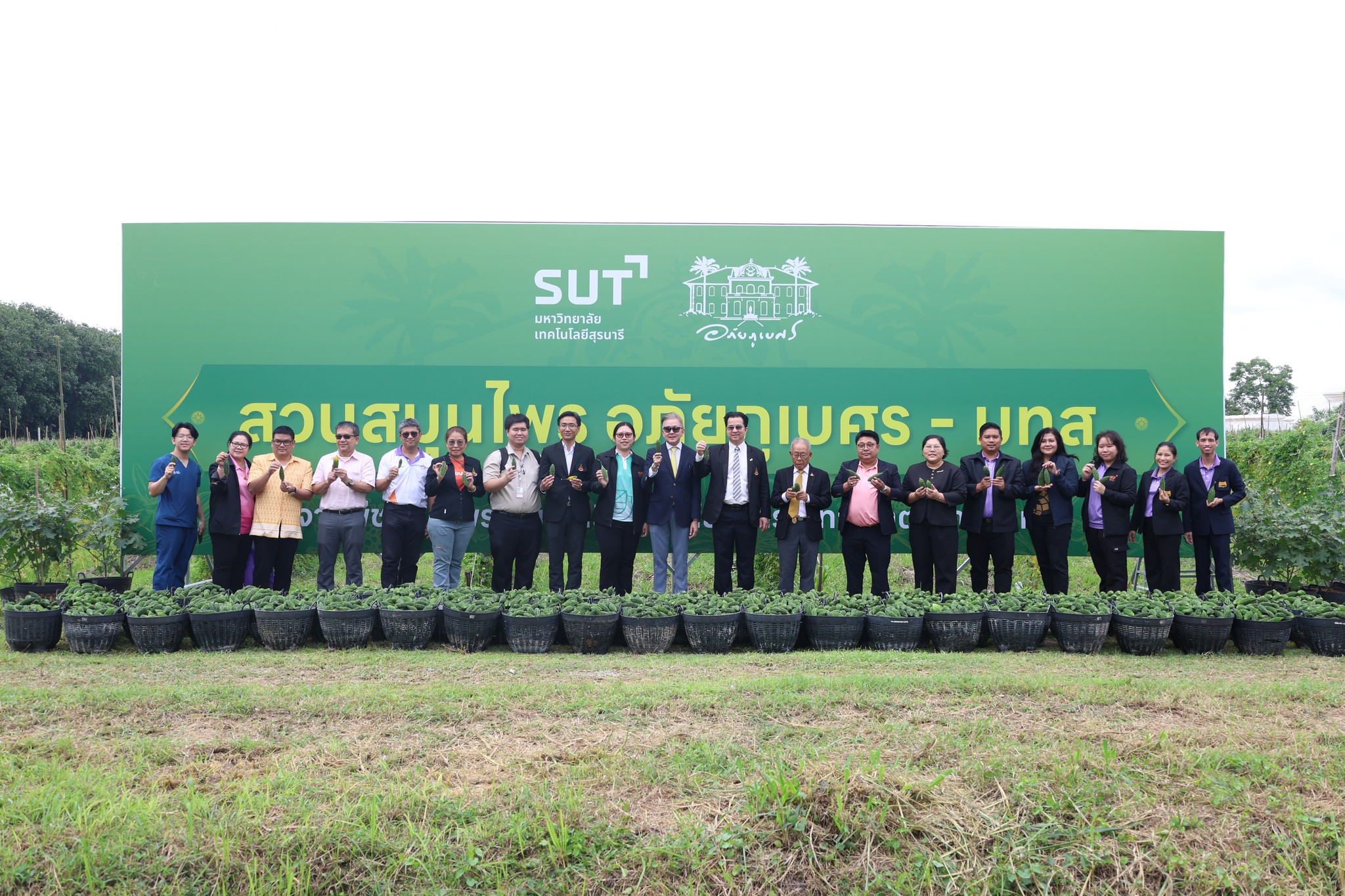
Suranaree University of Technology (SUT), in collaboration with the Chao Phraya Abhaibhubejhr Hospital Foundation under Royal Patronage, held the opening ceremony of the "Abhaibhubejhr-SUT Herbal Garden," situated on a 15-rai plot of land opposite the university hospital. The garden aims to serve as a learning center and model for Thai herbal production following internationally recognized organic farming standards (IFOAM) and Good Manufacturing Practice (GMP). The garden houses a diverse collection of Thai herbs, including bitter melon, bitter gourd, rang chuet, and Andrographis paniculata, among others, and provides training on their cultivation and harvesting under organic farming methods. The garden also showcased the Thai bitter melon, a new economic herb with high medicinal properties, ready for use in traditional Thai medicine production, elevating it to international standards.
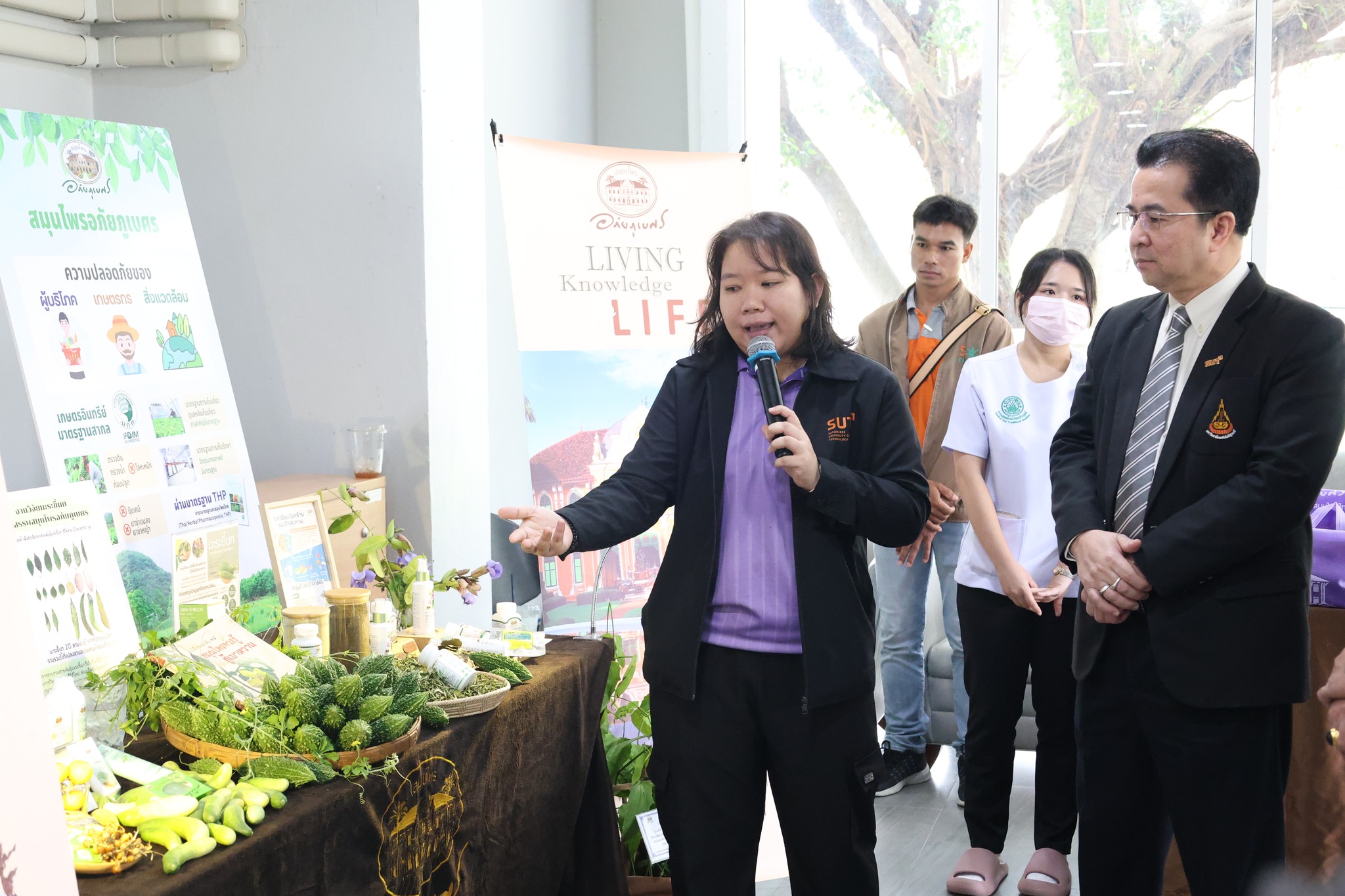
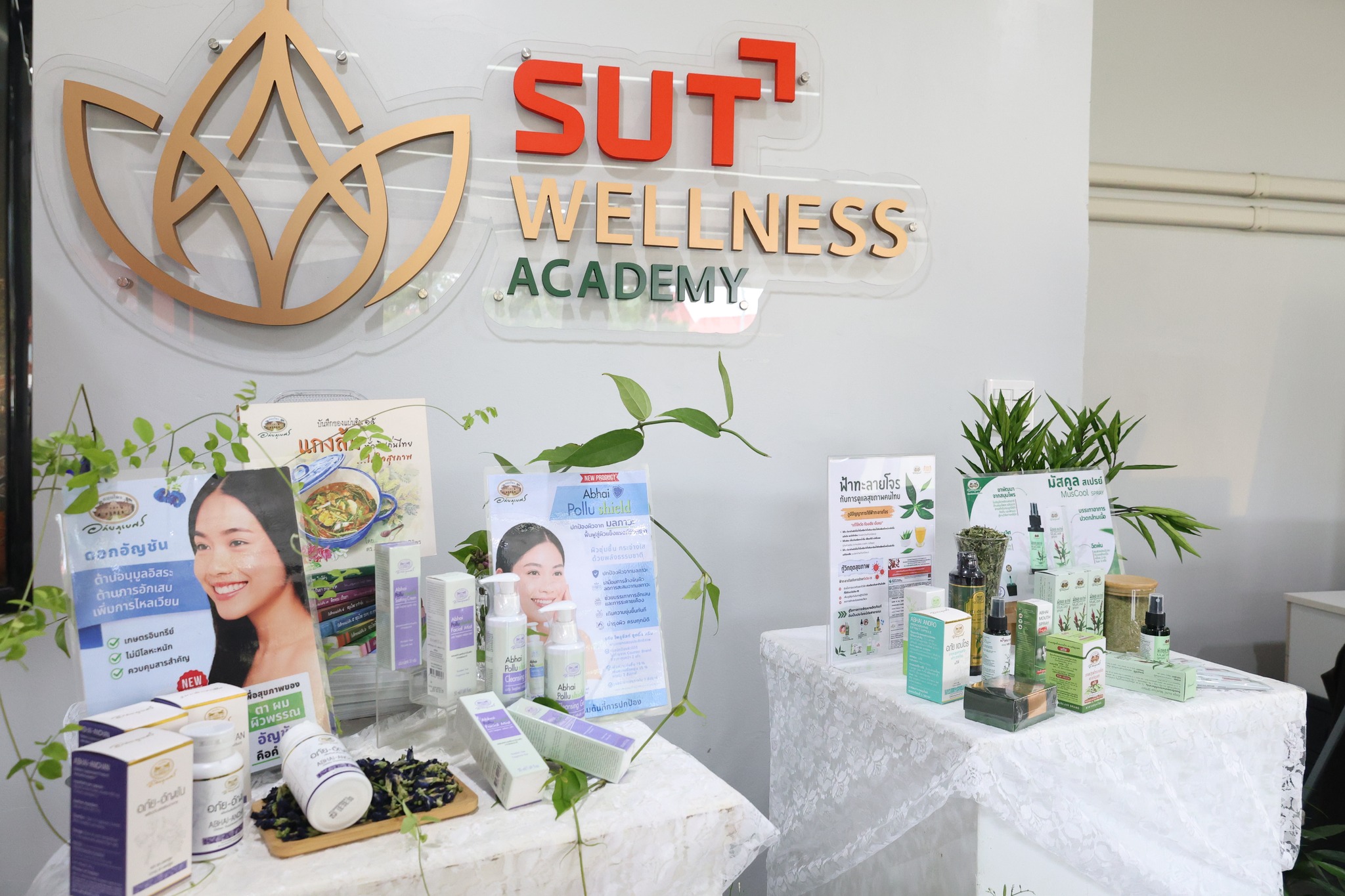
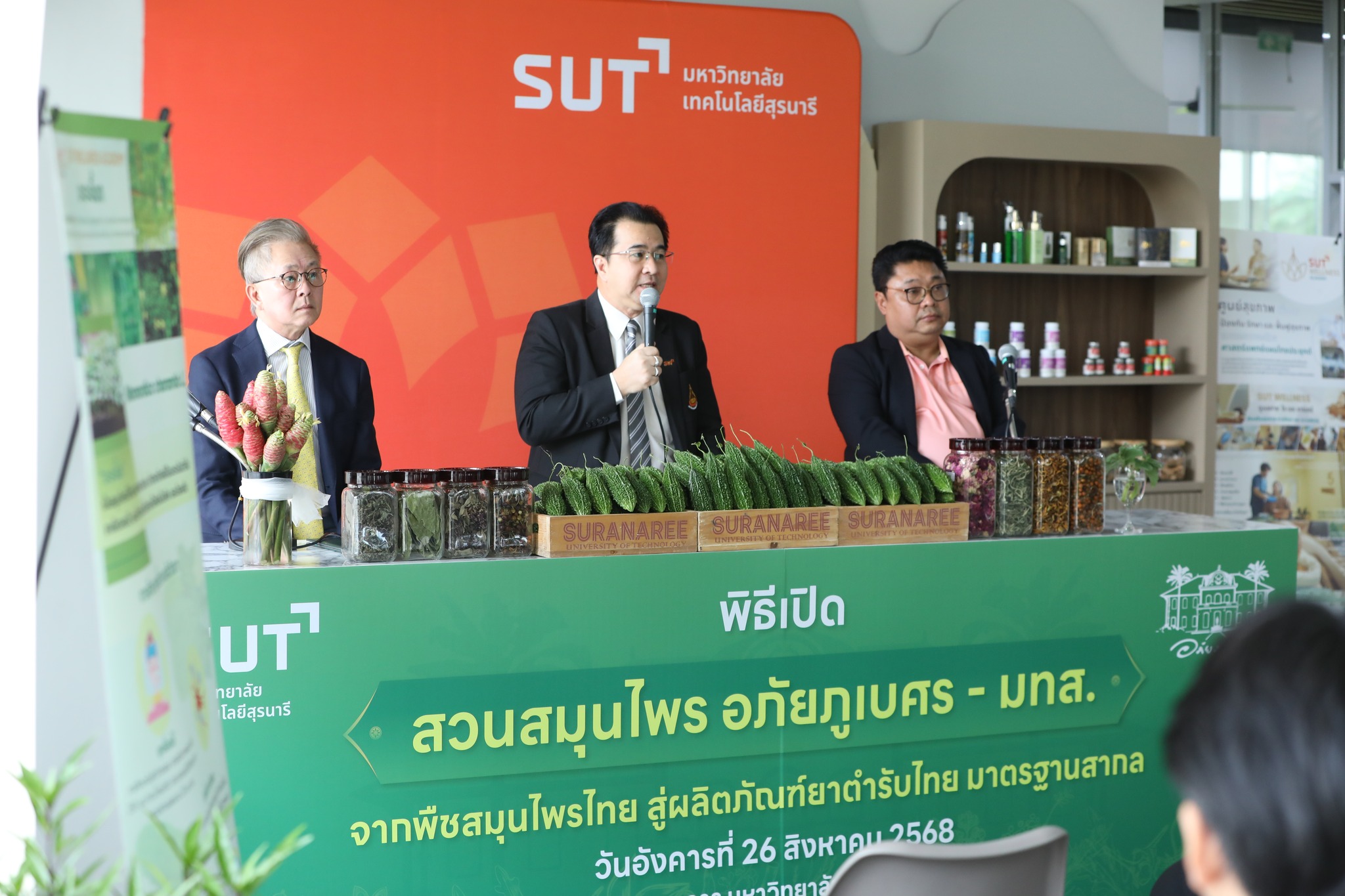
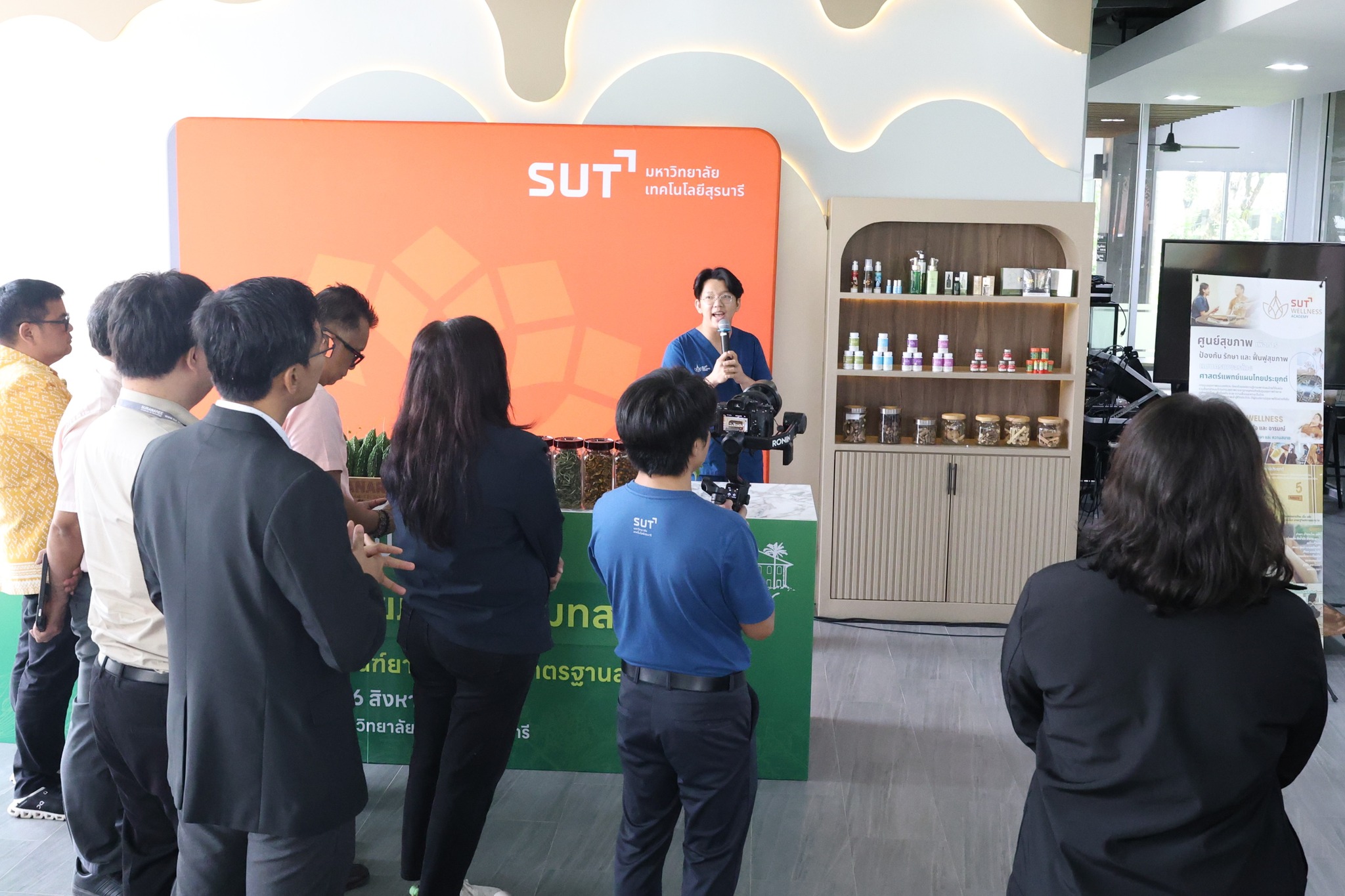
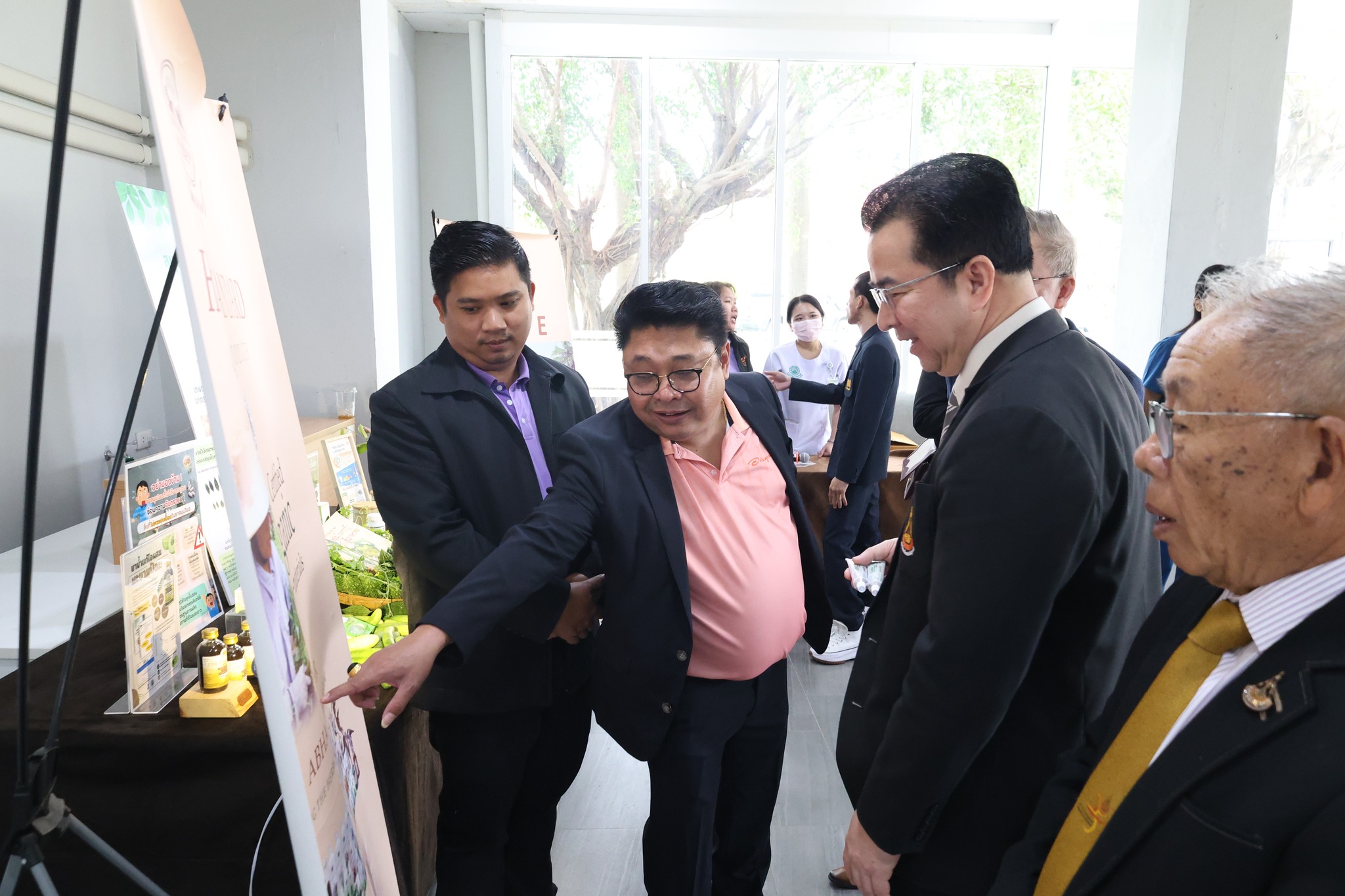
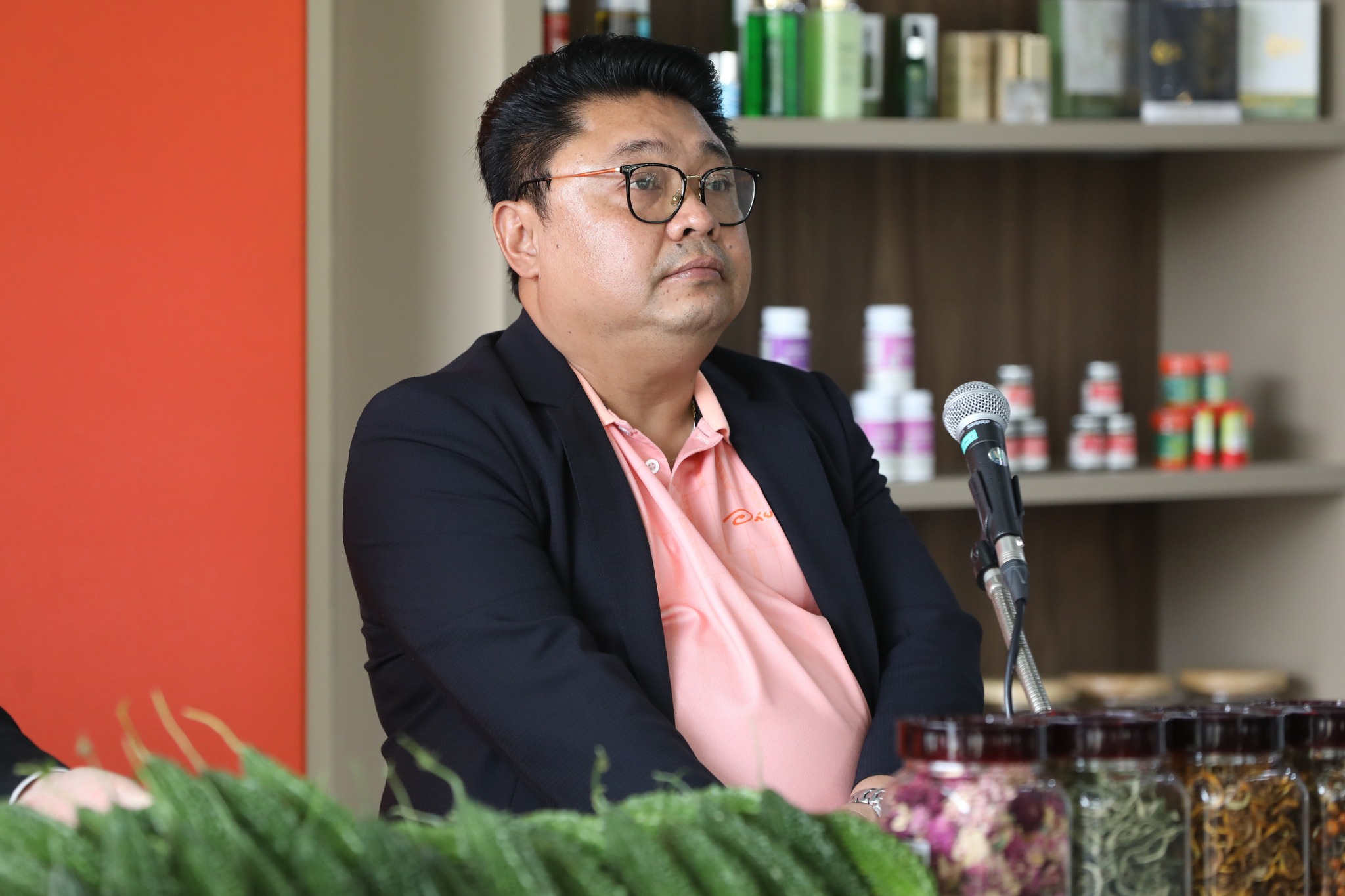
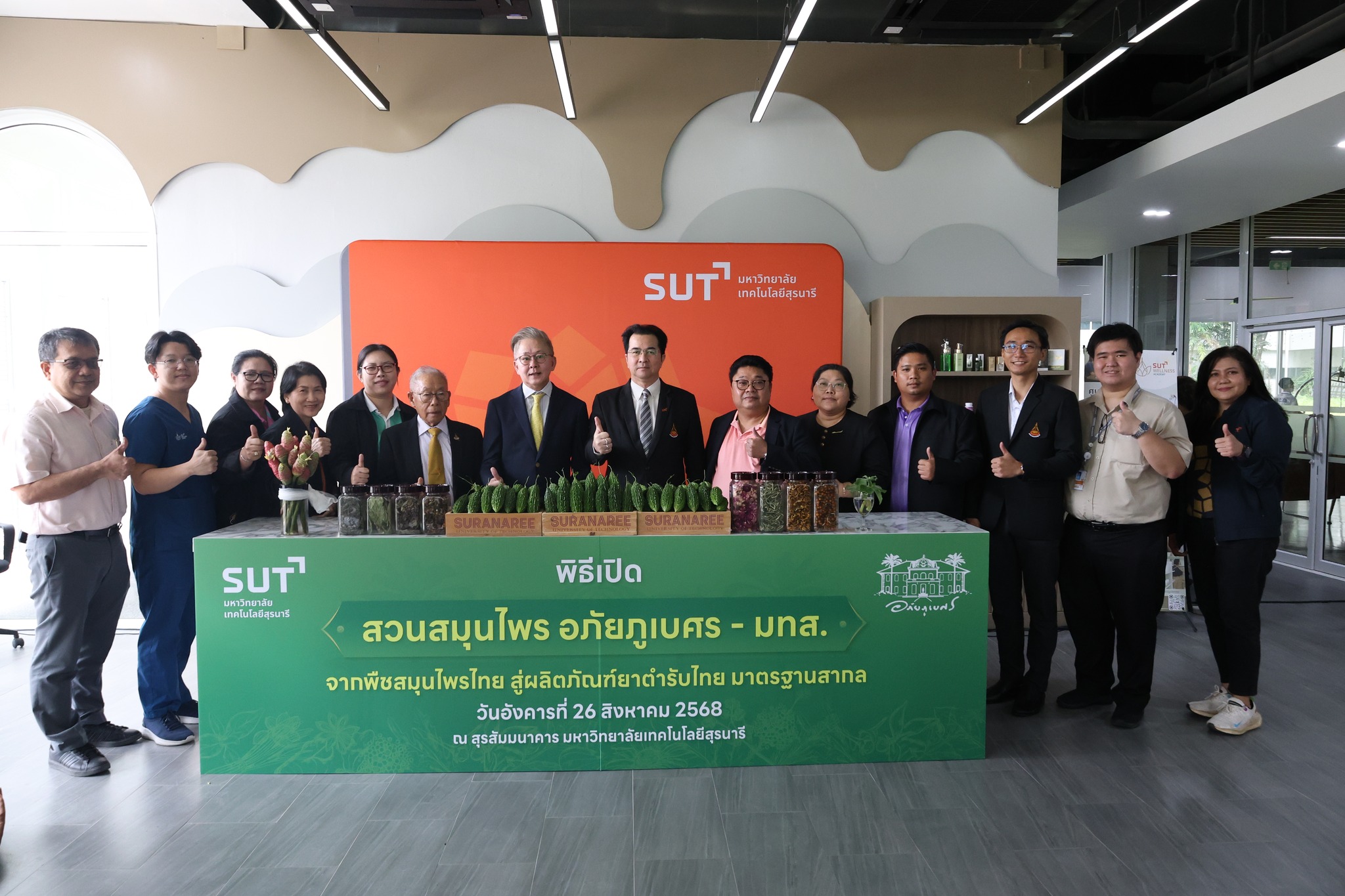
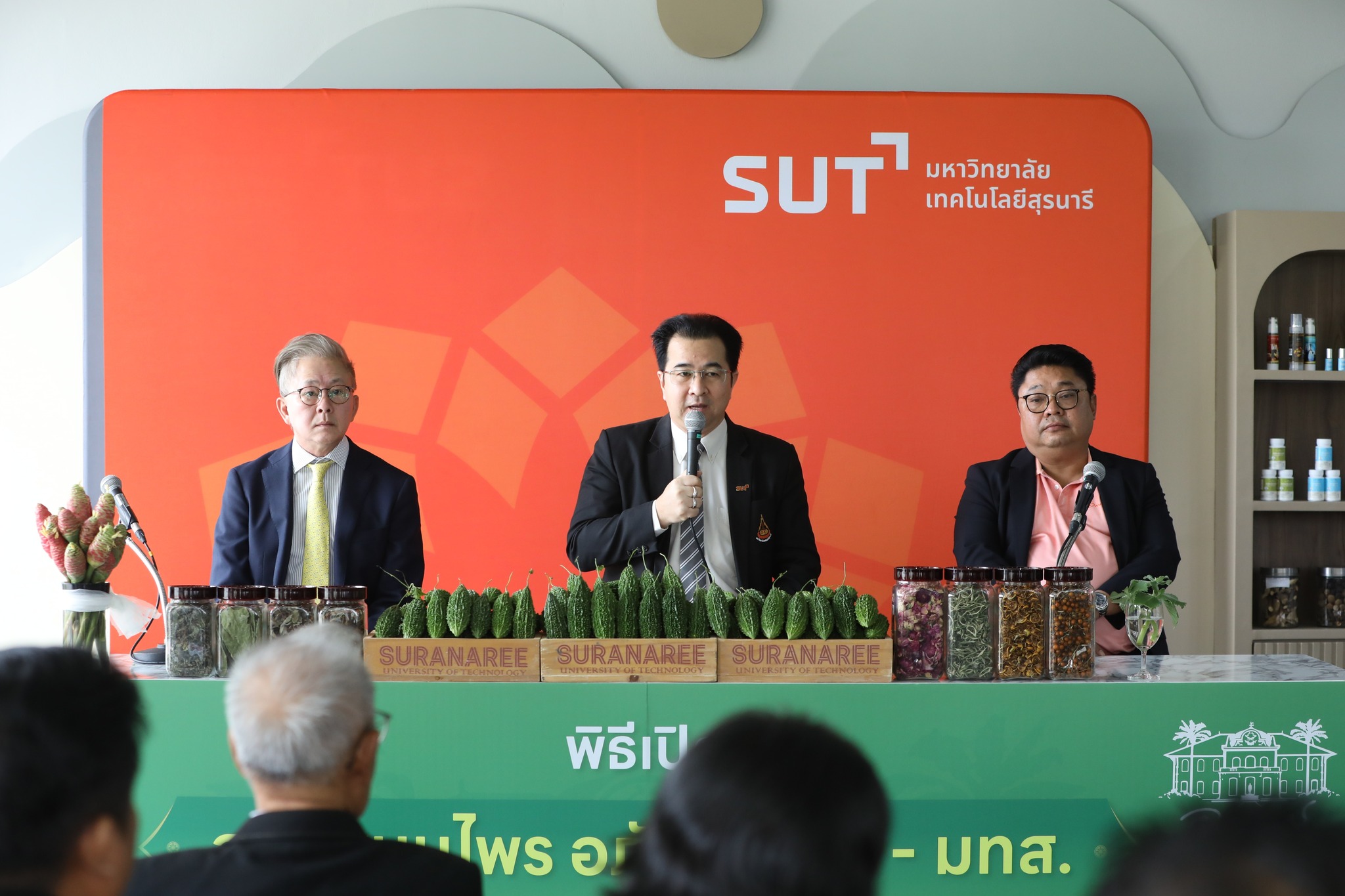
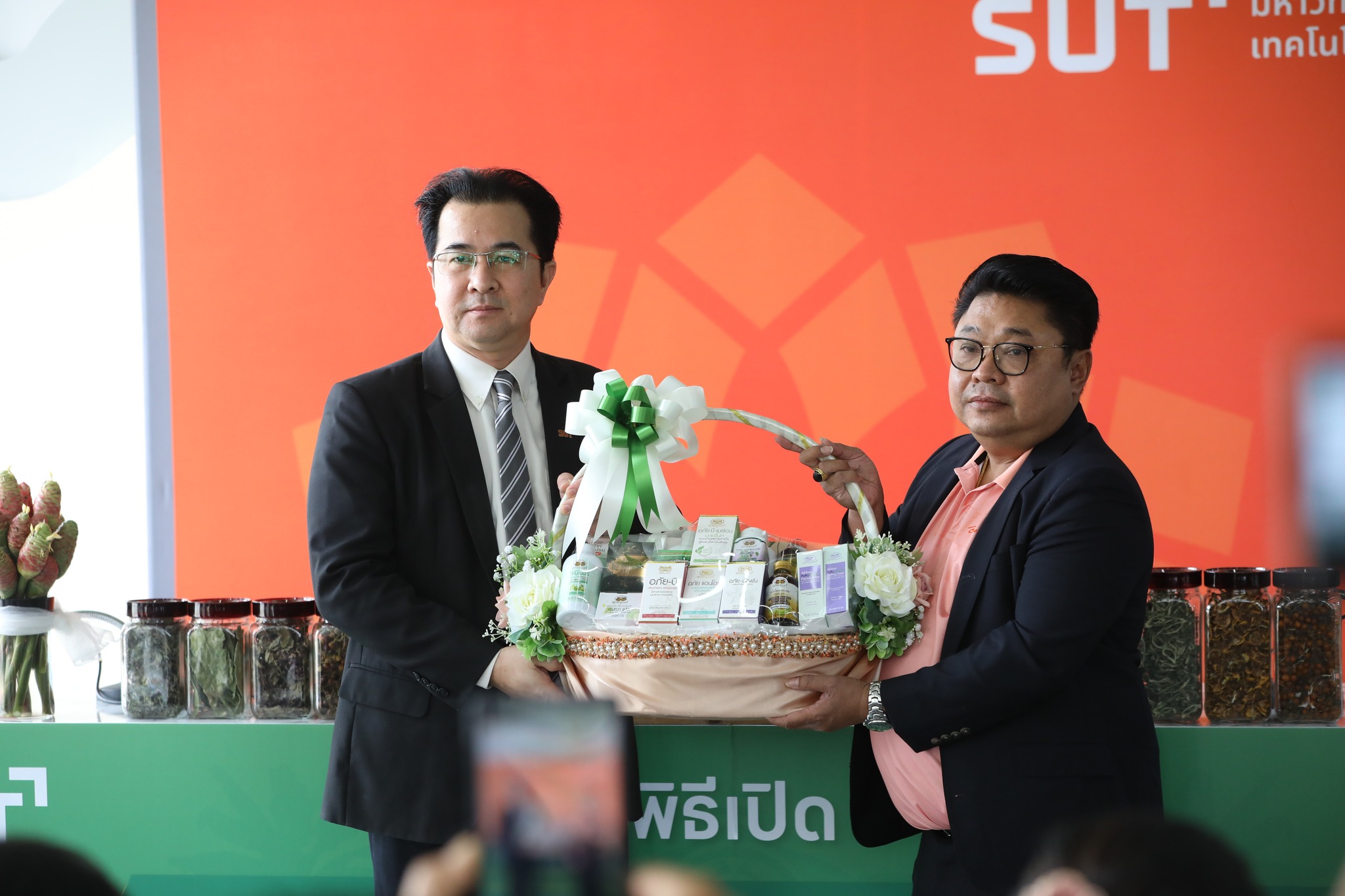
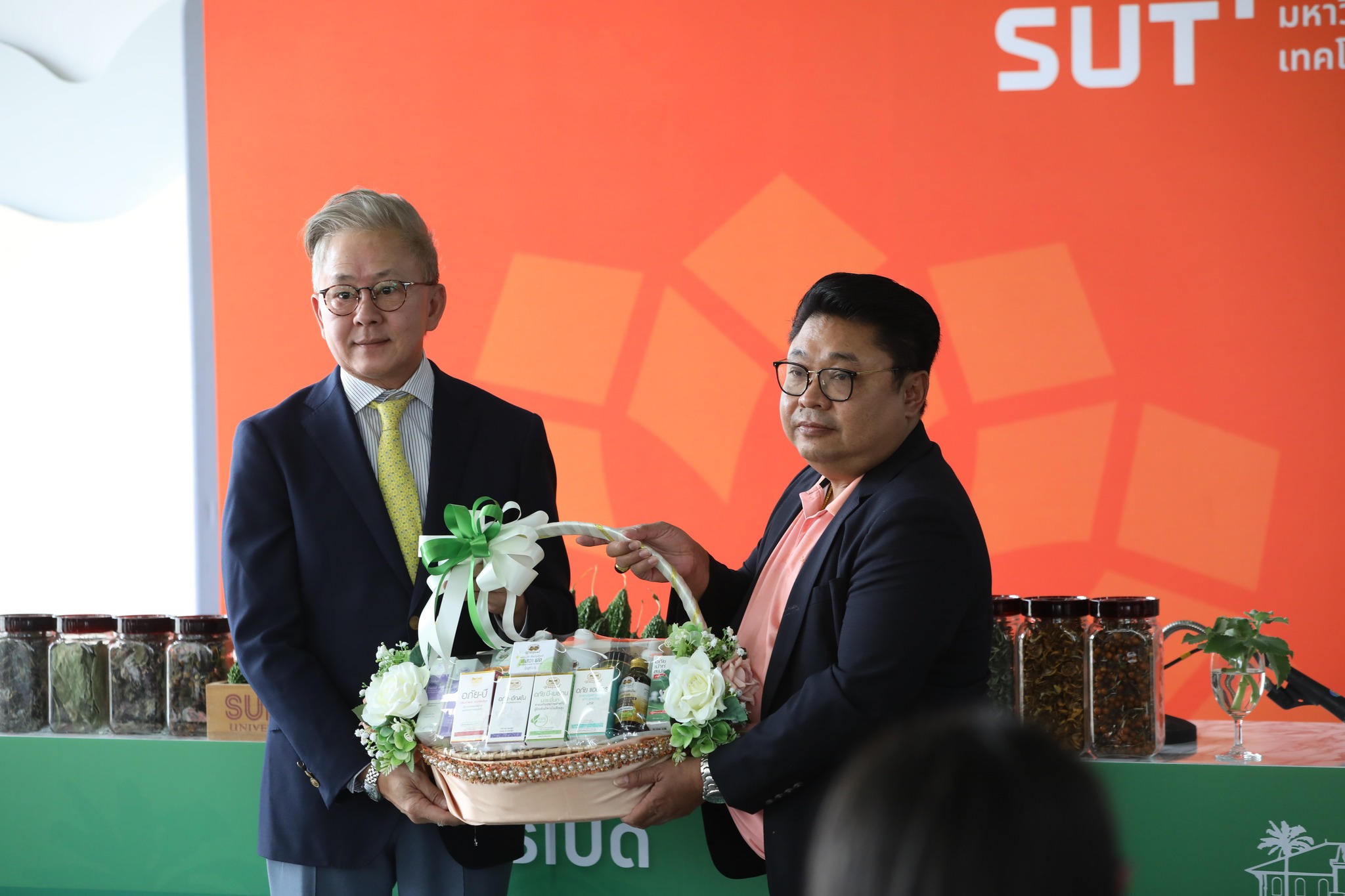
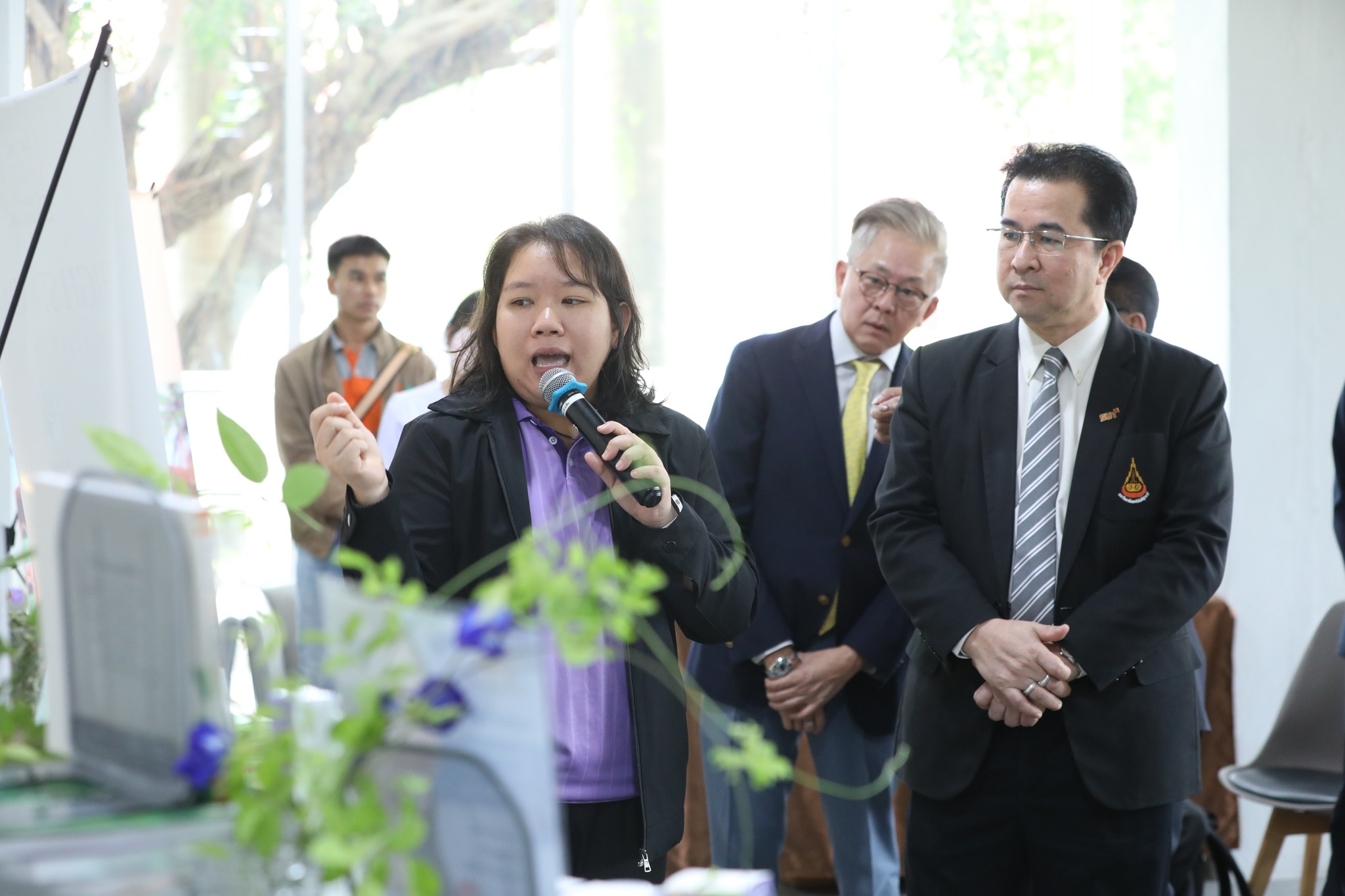
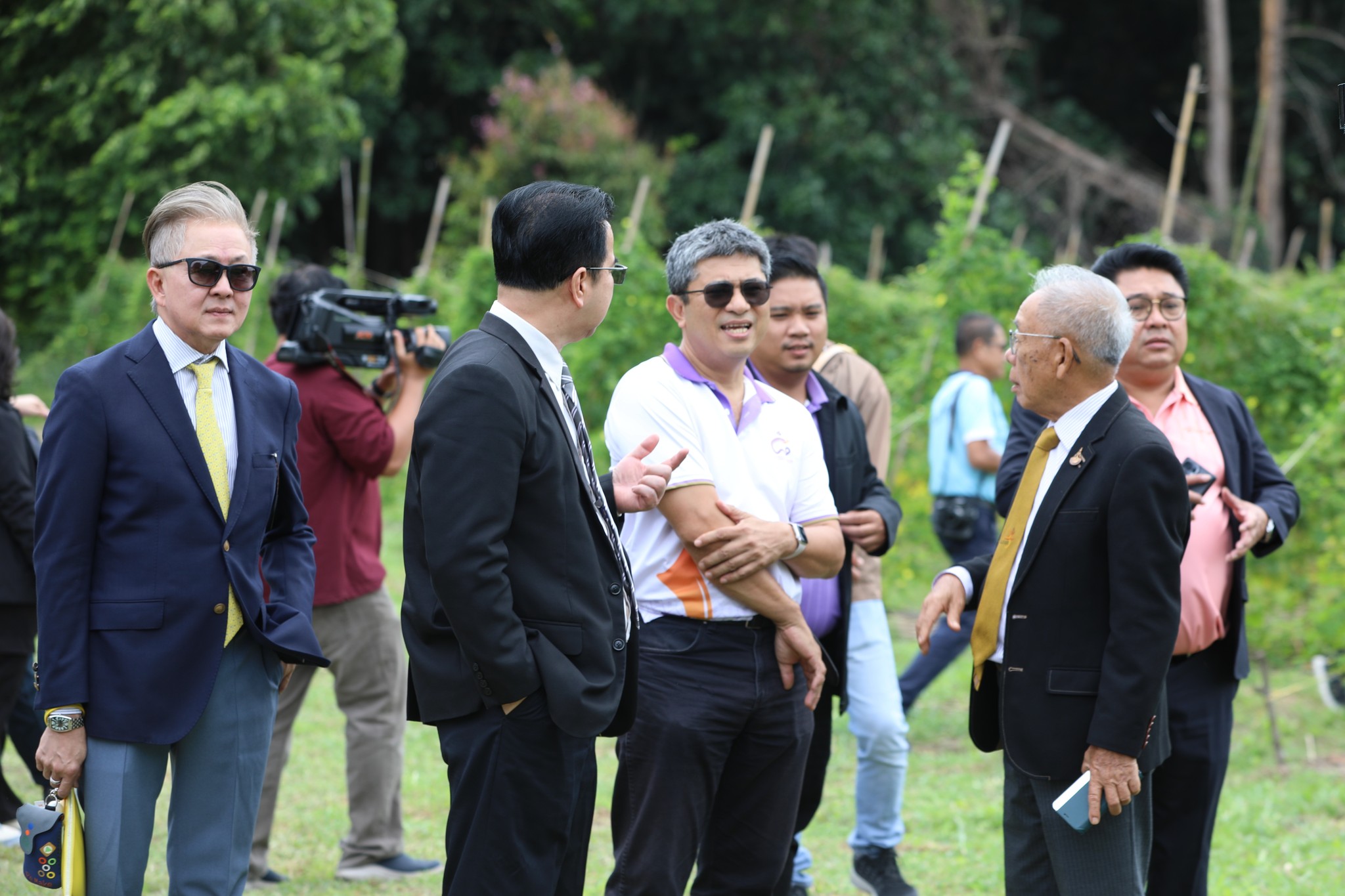
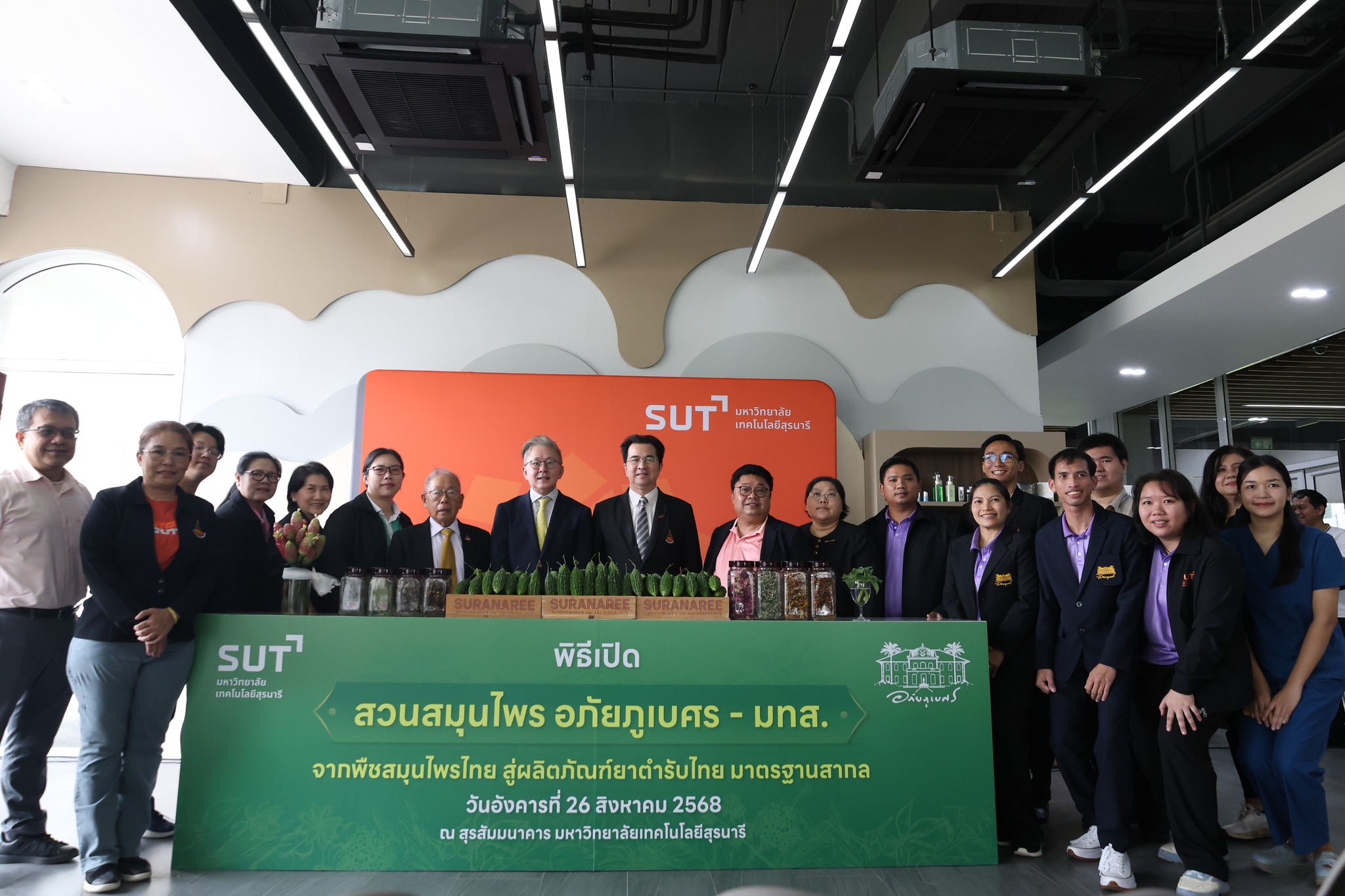
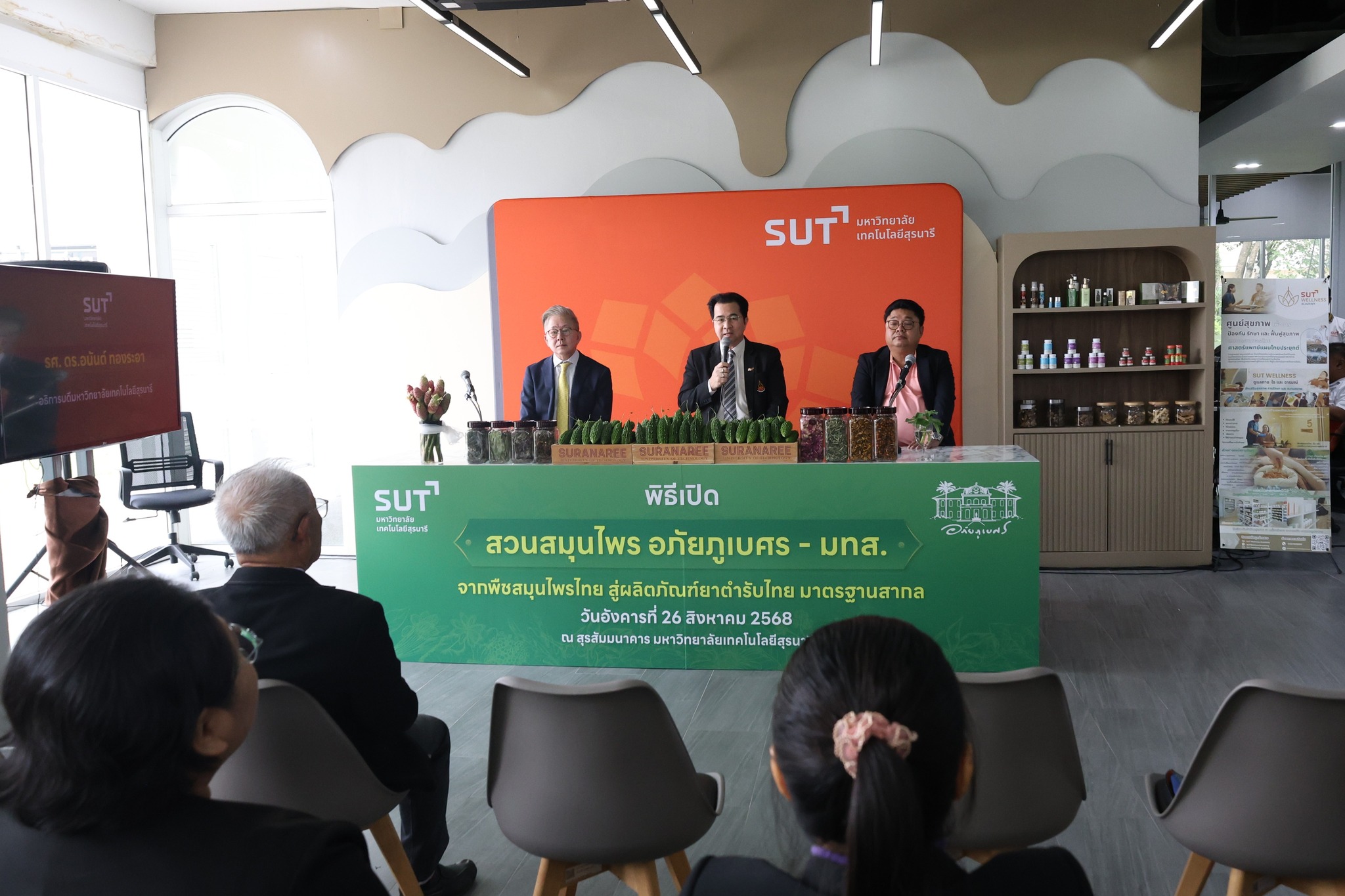
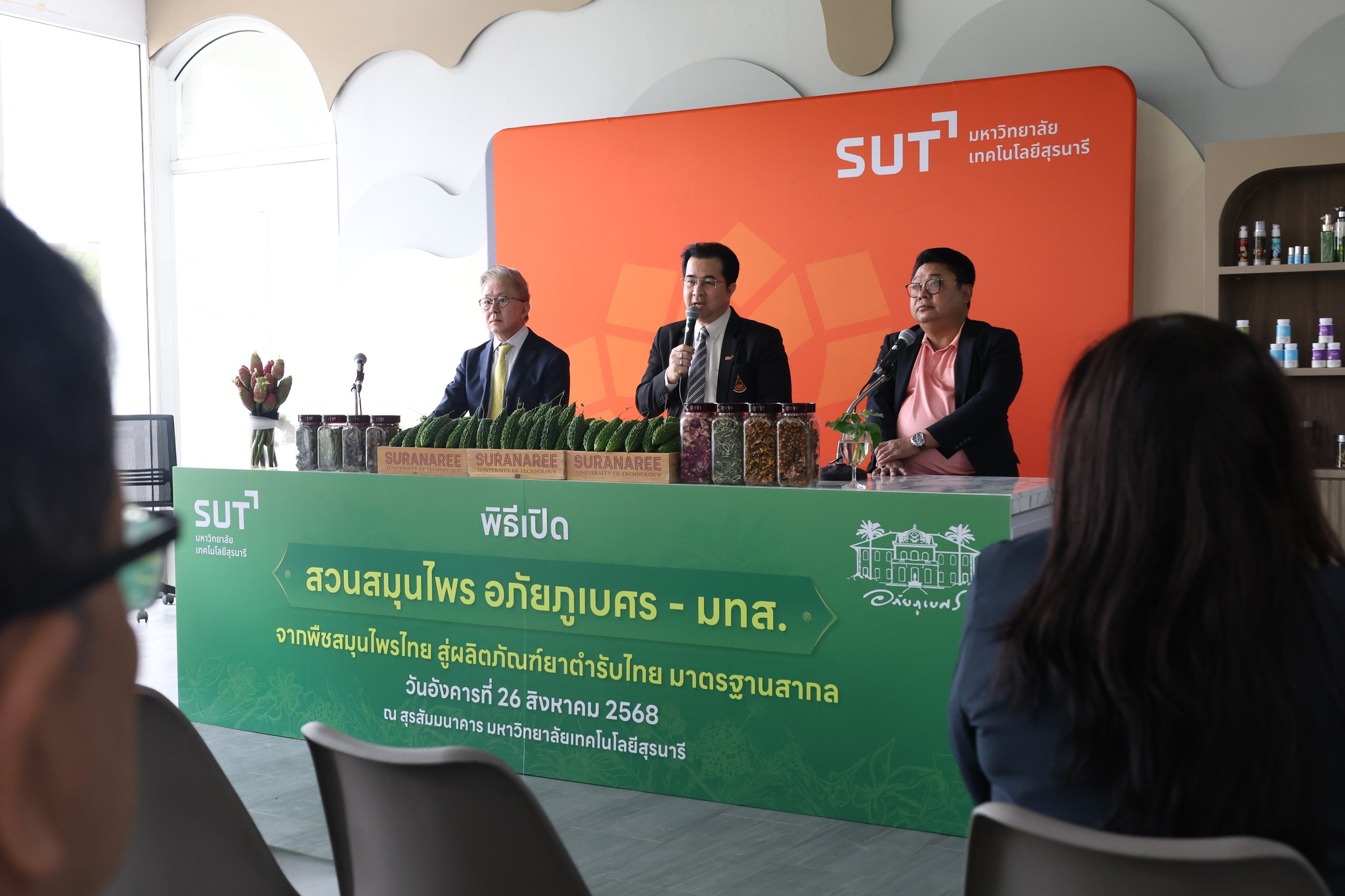
On August 26, 2025, Assoc. Prof. Dr. Anan Thongra-ar, President of Suranaree University of Technology (SUT), along with Mr. Kriang Ritcharoen, Director of the Office of Social Enterprise Administration, Chao Phraya Abhaibhubejhr Hospital Foundation, Prof. Dr. Nueng Tia-amrung, Acting Vice President for Research and Technology Development, SUT, and executives, jointly announced the opening of the "Abhaibhubejhr - SUT Herbal Garden" at SUT Wellness Academy, Surasamamnagar, SUT, and the Abhaibhubejhr - SUT Herbal Garden, opposite SUT Hospital.
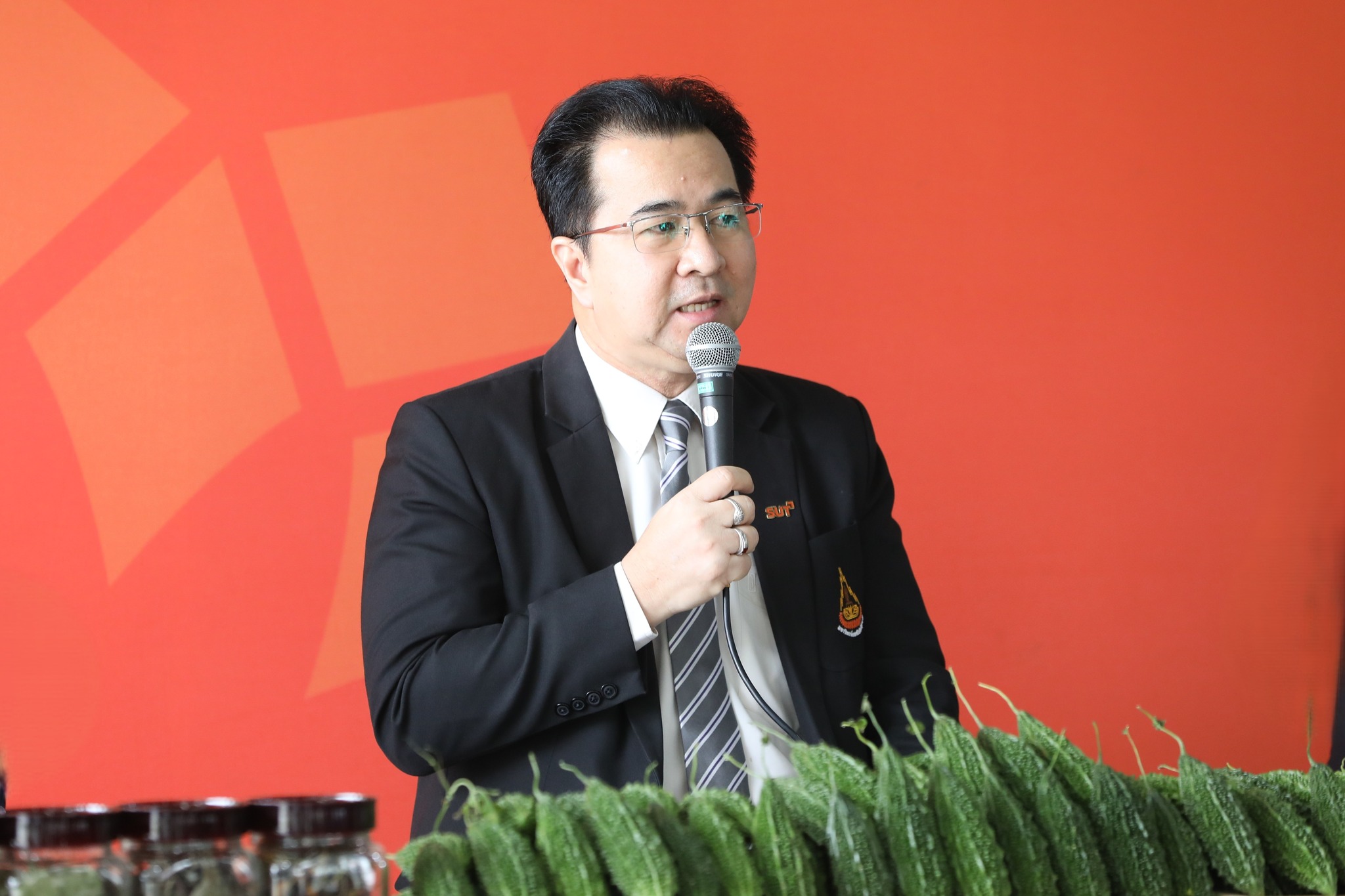
Assoc. Prof. Dr. Anan Thongra-ar, President of Suranaree University of Technology, revealed that "Suranaree University of Technology, through its Center of Excellence in Agricultural Product Innovation, has collaborated with the Chao Phraya Abhaibhubejhr Hospital Foundation to enhance confidence in Thai herbs by leveraging scientific databases, research, and development. This collaboration combines the Abhaibhubejhr Foundation's Thai wisdom with the university's agricultural research and technology capabilities to establish high-quality herbal production standards from upstream, midstream, and downstream. This will lead to the development of herbal products that meet international standards."
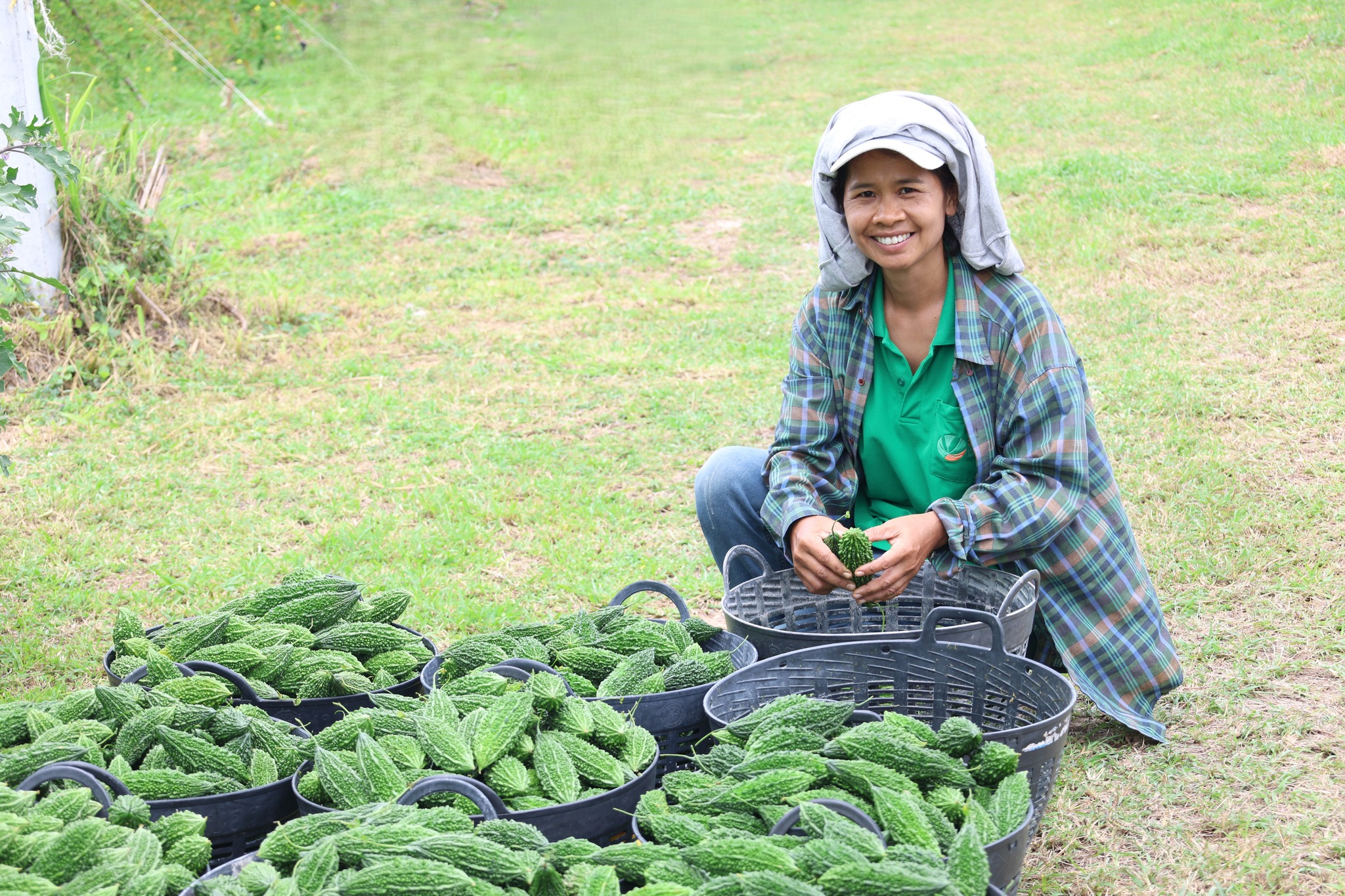
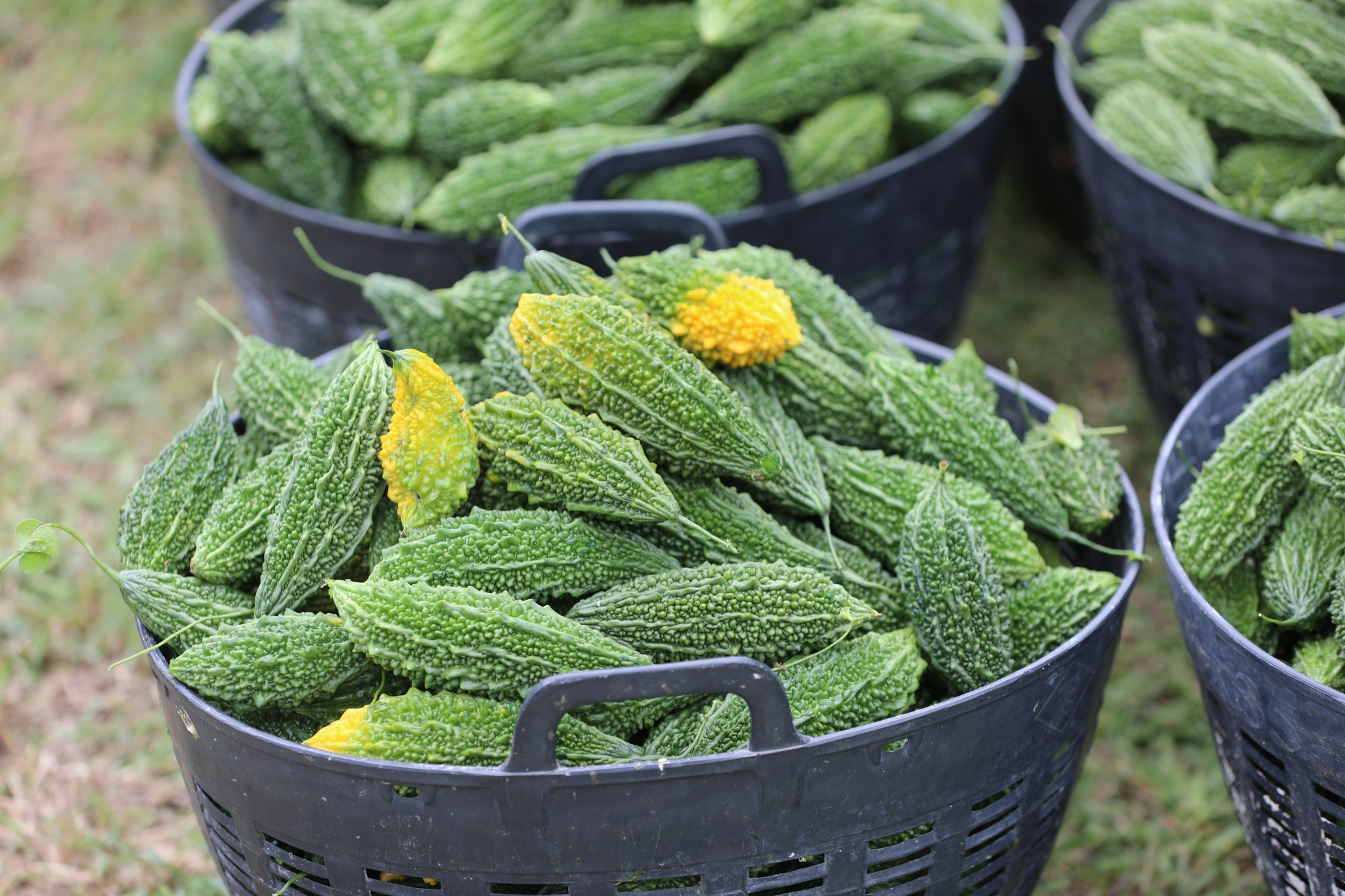
By combining the expertise of the Chao Phraya Abhaibhubejhr Hospital Foundation in traditional Thai knowledge, herbal use, and herbal product processing for both medicine and health, and establishing a network of producers of high-quality organic herbal raw materials for medical use, along with the university's research capabilities in agricultural technology and high-standard, medical-grade organic agricultural production, a 15-rai area opposite the university's hospital was developed into the "Abhaibhubejhr-Suranaree University of Technology Herbal Garden." Production controls are in place based on international standards, including soil, water, and heavy metal analysis, plant variety selection, and management according to the IFOAM (I-FOAM) organic farming system, harvesting according to traditional Thai medicine recipes, and processing and producing products in accordance with GMP standards. Currently, the "Abhaibhubejhr-Suranaree University of Technology Herbal Garden" boasts a diverse collection of Thai herbs, including bitter melon, bitter gourd, rang chuet, and Andrographis paniculata. Initially, bitter melon was primarily cultivated. The research team has compiled data on 12 bitter melon varieties. Production processes are controlled, including nutrient and heavy metal content analysis of soil and water sources, in accordance with soil and water quality standards and regulations of the Pollution Control Department. Selection of herbal plant varieties suitable for each area has found that the yield is satisfactory. The bitter melon has large fruit, good weight, and a high amount of active ingredients. It is suitable for the production of traditional Thai medicine, which has a production capacity of four tons per year. The produce is processed and dried and delivered to the Chao Phraya Abhaibhubejhr Hospital Foundation to be used as the main raw material for processing various traditional Thai medicine formulas, distributed throughout the country.
This production process is being carried out in conjunction with the three-year "Research and Development of High-Quality Organic Herbal Raw Materials for Traditional Thai Medicine and Environmental Conservation" project. This project aims to promote and develop the production process of organic herbal raw materials to meet high-quality standards and share knowledge with farmers and communities, fostering agricultural strength, economic stability, pharmaceutical security, and sustainable environmental conservation.
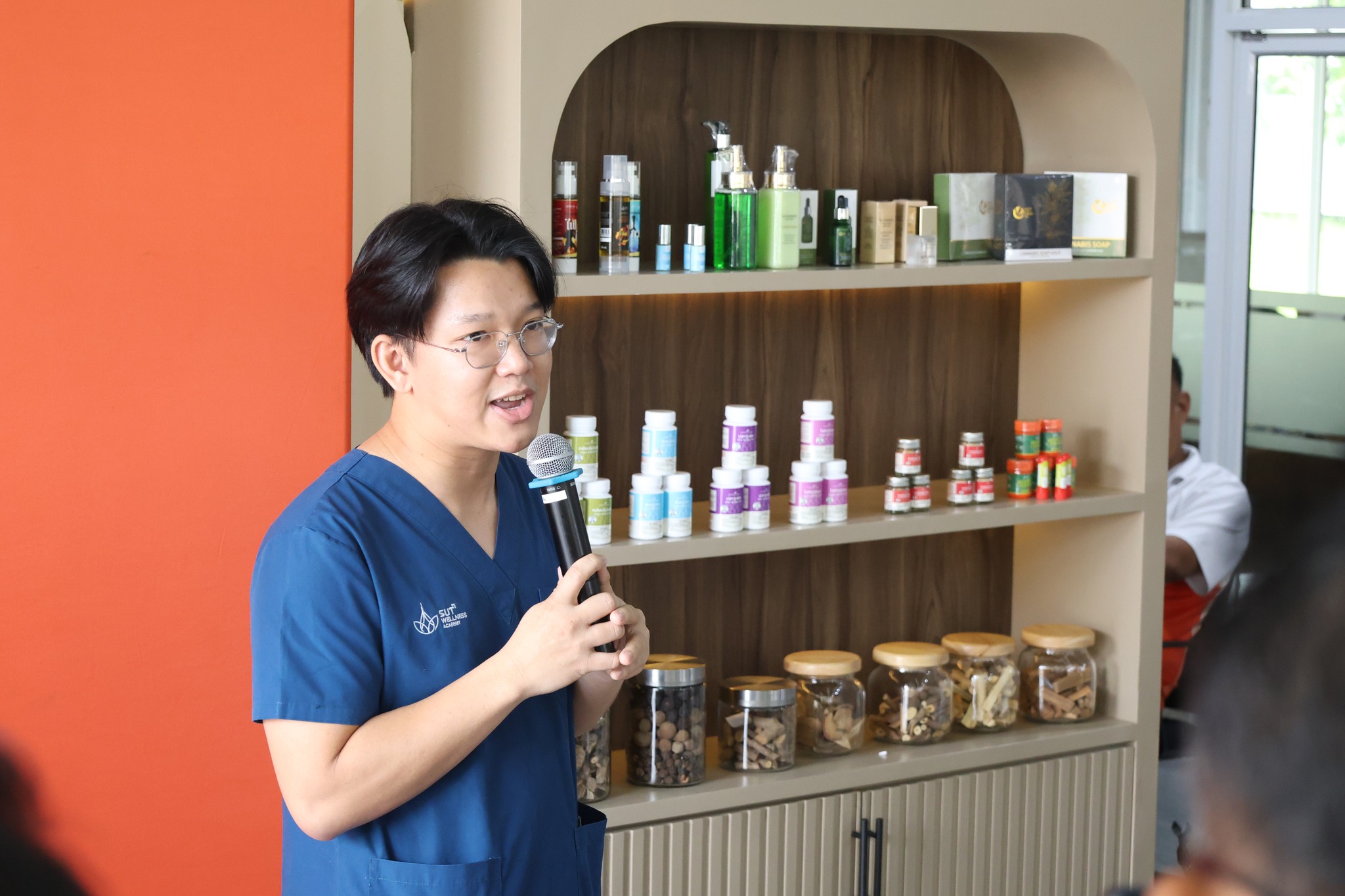
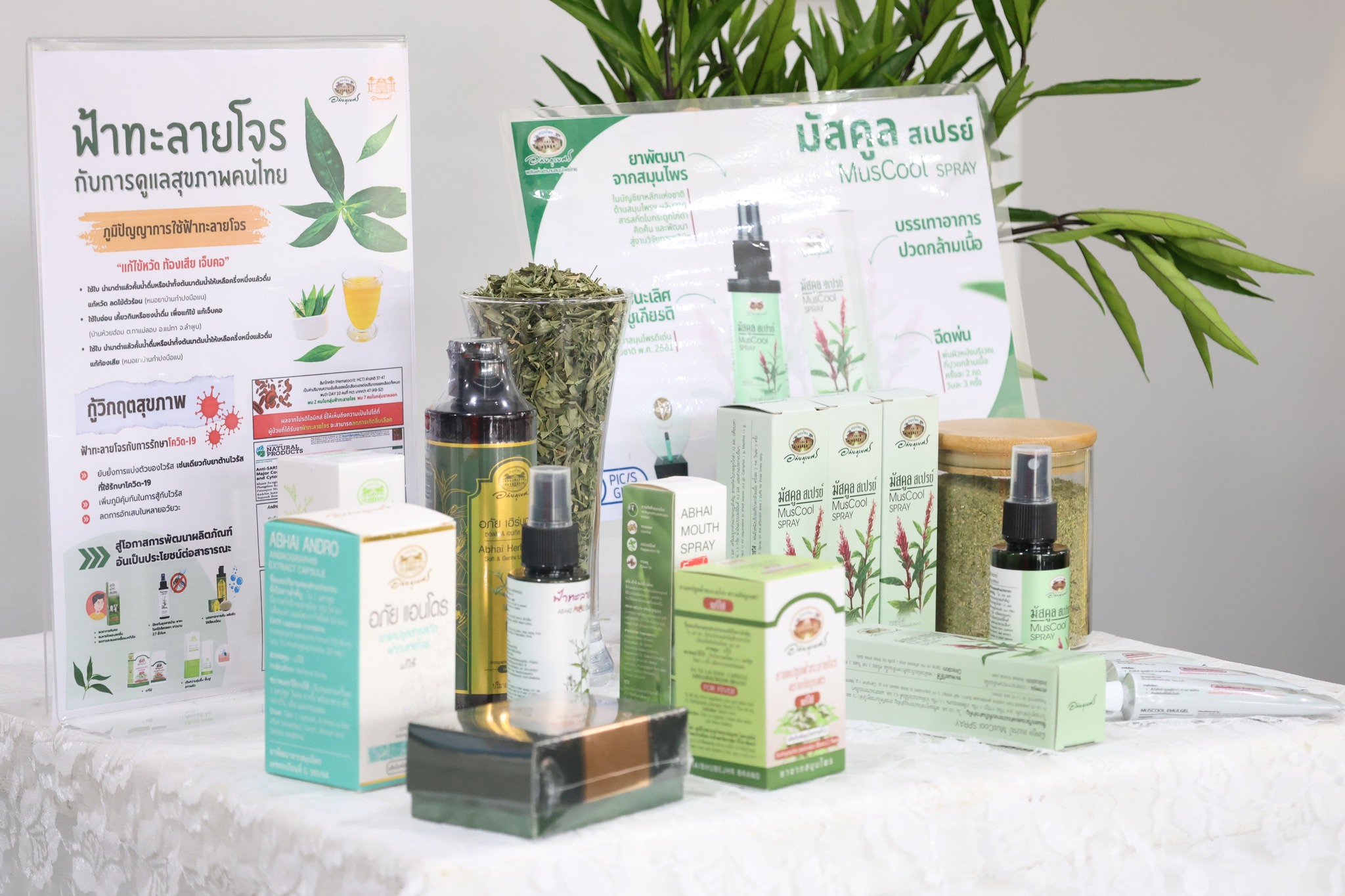
Furthermore, produce from the herb garden will be utilized for research, teaching, and public health services at the SUT Wellness Academy, a Thai Traditional Medicine Clinic. This comprehensive healthcare service will be provided by a new generation of Thai traditional medicine practitioners who blend science with traditional Thai wisdom. The garden will also be developed into a learning resource, disseminating knowledge to farmers and community enterprises, and will serve as a training ground for a new generation of Thai traditional medicine practitioners who will integrate science with traditional Thai wisdom, strengthening research, development, and promoting and elevating Thai herbs to international recognition.
Event Gallery
Opening of the "Abhaibhubejhr - Suranaree University of Technology Herbal Garden" A learning center and model for science-based Thai herbal production. Join us in elevating traditional Thai herbal products to international standards.